

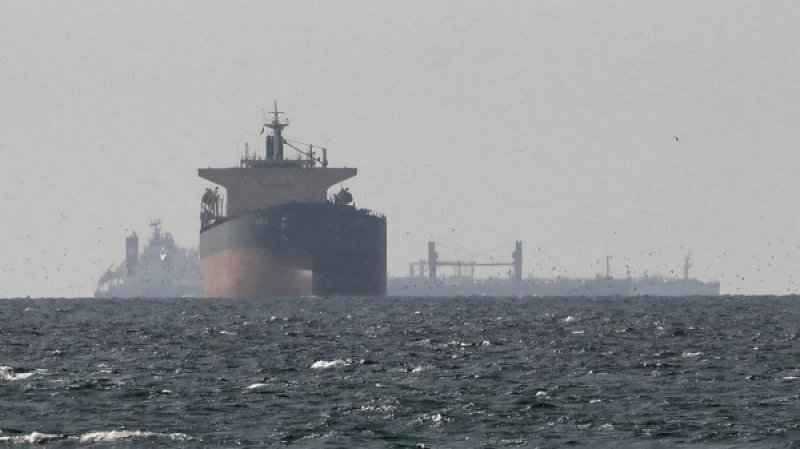
A troubling message has come from New Delhi on April 22: disruptions in the Strait of Hormuz, caused by escalating tensions in the Middle East, have ceased to be a distant issue for India. They now directly affect the national security and economic stability of the country. The Minister of Defense of the Republic, Rajnath Singh, expressed deep concern while on a visit to Germany. He emphasized: "For a developing country like India, which relies significantly on the West Asian region for its energy needs, disruptions in the Strait of Hormuz are not distant events, but a harsh reality with direct consequences for our security and economic stability." According to Singh, the current geopolitical challenges can no longer be perceived solely as regional issues. The head of the Indian Ministry of Defense stressed the need for "coordinated responses and reliable strategic partnerships" to effectively counteract. ## Chronicle of Tension: The USA and Iran A large-scale operation against Iran, initiated by the USA and Israel on February 28, marked an important stage in the escalation. Then, on April 7, American President Donald Trump announced a two-week mutual ceasefire with the Islamic Republic. On April 11, several rounds of negotiations took place in Islamabad between Iran and the USA. The Iranian delegation was led by Parliament Speaker Mohammad Bagher Ghalibaf, while the American side was represented by Vice President J.D. Vance. However, as later became known from Tehran and Washington, the parties failed to reach an agreement on a long-term resolution of the conflict due to ongoing contradictions.