

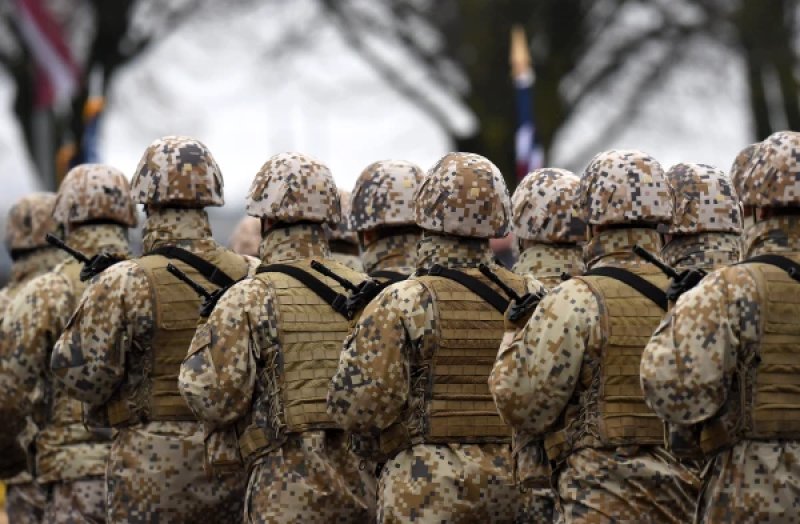
The Commander of the National Armed Forces, Kaspars Pudiņš, stated in an interview with the Latvian Television program "Morning Panorama" that Latvia is facing a deeper transformation of its army in light of the protracted war between Russia and Ukraine. According to him, the first year in office was dedicated to strategic analysis — the military studied how the nature of combat operations is changing and what conclusions need to be drawn. As part of this analysis, two major studies were conducted under the leadership of generals. They showed that the army will require not only an update of approaches but also possible changes in doctrine and overall structure. Currently, new solutions are being tested in practice — during exercises, the effectiveness of modern technologies, including autonomous systems and digital management, is being evaluated. This involves a more flexible and technological approach to conducting combat operations. At the same time, as the commander emphasized, the reforms will not be spontaneous. All changes are planned to be implemented based on analysis and testing, rather than quick political decisions. Particular attention is being paid to the current security situation. The military is preparing for various scenarios, including incidents at the border, and is adjusting defense plans based on the experience of Ukraine. One of the key changes concerns responding to drones: decisions in such situations must be made faster and at a lower level of command, without lengthy approvals. For Latvia, this means a transition to a more modern model of the army, where speed of response, technology, and adaptation to new types of threats are important. The experience of the war in Ukraine accelerates the reform of the National Armed Forces, emphasizing flexibility, technology, and decentralization of decisions.