

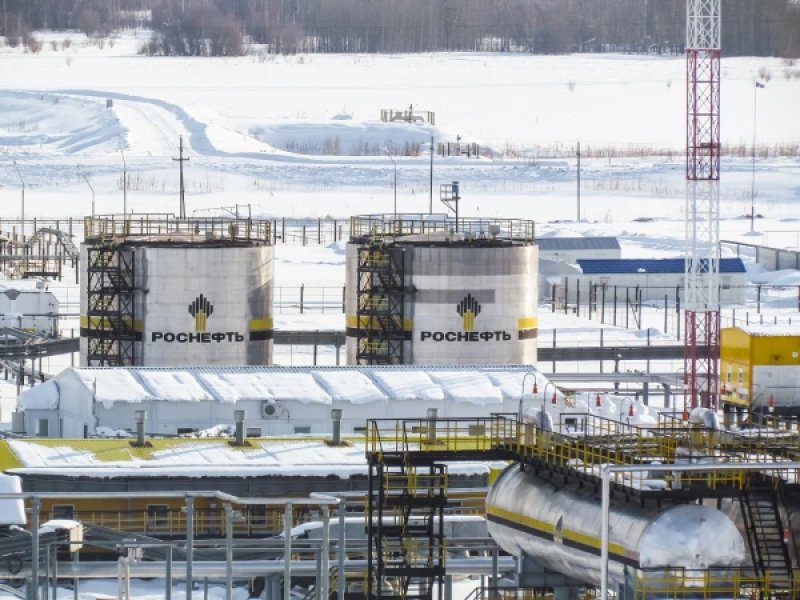
EU spending related to the "most serious energy crisis in history" has exceeded €30 billion. This was stated on Tuesday, May 5, by EU Commissioner for Energy Dan Jørgensen in Brussels. "Since the beginning of the conflict in the Middle East, EU member states have already spent more than €30 billion on fossil fuel imports," the dpa agency quoted him. "The world is facing perhaps the most serious energy crisis in history, which is testing our economies, our societies, and our partnerships," Jørgensen added. About one-fifth of the world's oil and liquefied natural gas is typically transported through the Strait of Hormuz. Since the start of the war between the US and Israel and Iran, Tehran has effectively halted shipping through the strait, and Washington has imposed a naval blockade on vessels entering or leaving Iranian ports, dpa reminded. Additionally, in recent months, energy resource production facilities in several Persian Gulf countries have been damaged as a result of strikes from the Islamic Republic. ## European Commission Prepares Recommendations for Airlines Jørgensen warned of the long-term consequences of the damage, stating that restoring gas production in the region "will likely take" years - oil production is expected to be restarted more quickly. The Commissioner stated that the EU is preparing for possible fuel supply issues. "So far, this has not happened, but it could, particularly regarding aviation fuel," he warned. The European Commission (EC) is expected to present relevant recommendations to airlines by the end of the week. ## EC Head Accuses Tehran of Violating UAE Sovereignty and International Law Meanwhile, European Commission President Ursula von der Leyen emphasized that Iran's recent attacks on the United Arab Emirates (UAE) are "unacceptable and represent a clear violation of sovereignty and international law." "Security in the region has direct consequences for Europe," the EC head stressed. "Therefore, we will continue to work closely with our partners to de-escalate and find a diplomatic resolution to put an end to the brutal actions of the Iranian regime, both against its neighbors and its own people," she added. ## Iran Strikes UAE with Missiles and Drones Iranian drones and missiles attacked the United Arab Emirates for the first time since the ceasefire between the US and Iran began. The UAE's air defense forces intercepted 19 missiles and UAVs launched from Iran, the country's Ministry of Defense reported on May 4 on social media X. According to the agency, Iran launched 12 ballistic missiles, three cruise missiles, and four drones towards the UAE. A fire broke out in the area of the Fujairah oil complex after the strike by the Iranian drone, the press service of the emirate's government reported. As a result of the attack, three Indian nationals were injured and hospitalized. Classes in UAE schools have been moved online from May 5 to May 8. ## War Between the US and Israel and Iran The war between the US and Israel and Iran began with bombings on February 28, resulting in the deaths of part of the leadership of the Islamic Republic, including Supreme Leader Ayatollah Ali Khamenei. In response, Iran has struck American facilities located in neighboring countries and effectively blocked shipping in the Strait of Hormuz, through which approximately 20% of the world's oil passes. The first direct negotiations between the US and Iran took place in the capital of Pakistan on April 11, a few days after a ceasefire was reached. The discussions did not lead to a positive outcome. The very next day, US President Donald Trump announced that the strait was under the control of the US Navy, and Tehran later accused Washington of violating the ceasefire.
