

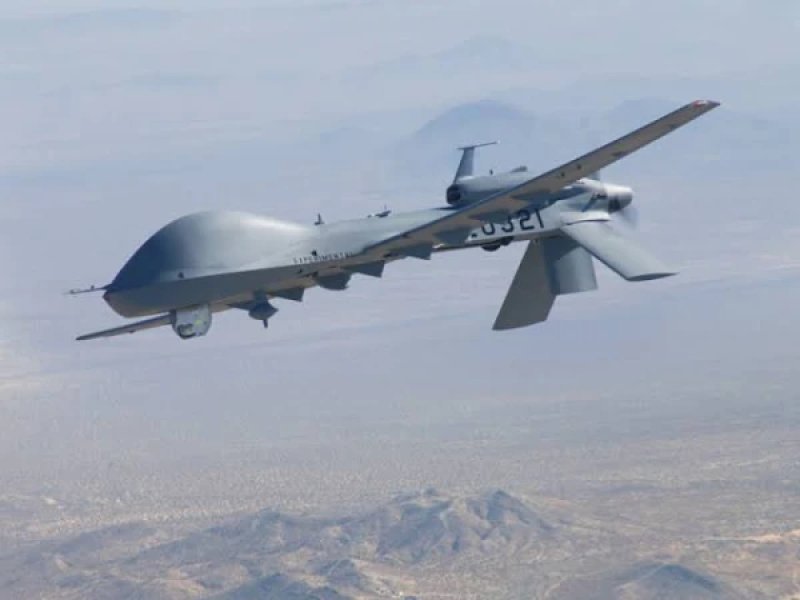
Tensions in the Middle East continue to rise. On Monday, the U.S. armed forces reported strikes on facilities in Iran related to air target detection systems and drone management, according to LETA. According to the American side, the targets included radar stations and drone control points. At the same time, Kuwait reported new threats in the region. The authorities of the country stated that air defense systems were activated in the morning to intercept missiles and drones. No party has officially claimed responsibility for the attack yet. However, as noted by international observers, the likely organizers could be either Iran itself or Shiite armed groups linked to it, operating in Iraq. Meanwhile, the Islamic Revolutionary Guard Corps reported on its own consequences of the American strikes. According to the Iranian side, one of the targets was a telecommunications tower on one of the islands. The corps representatives also stated that a strike was carried out in response against a military facility used by the U.S. for operations against Iran. However, the specific location of the base was not disclosed. An additional episode of escalation was the destruction of an American drone. According to Tehran, over the weekend, Iranian forces shot down an MQ-1 Predator reconnaissance-strike drone used by the U.S. military. The exchange of strikes between the U.S. and Iran increases the risk of the conflict expanding far beyond the territories of the two countries. In recent days, reports of missile attacks, drones, and air defense operations have been coming from several countries in the region. Against this backdrop, many countries in the Persian Gulf are strengthening security measures and putting air defense forces on heightened alert. The situation remains extremely tense, and reports of new strikes and military actions continue to arrive almost daily. So far, neither Washington nor Tehran shows a willingness to de-escalate, which maintains the risk of further escalation of confrontation in the Middle East.