

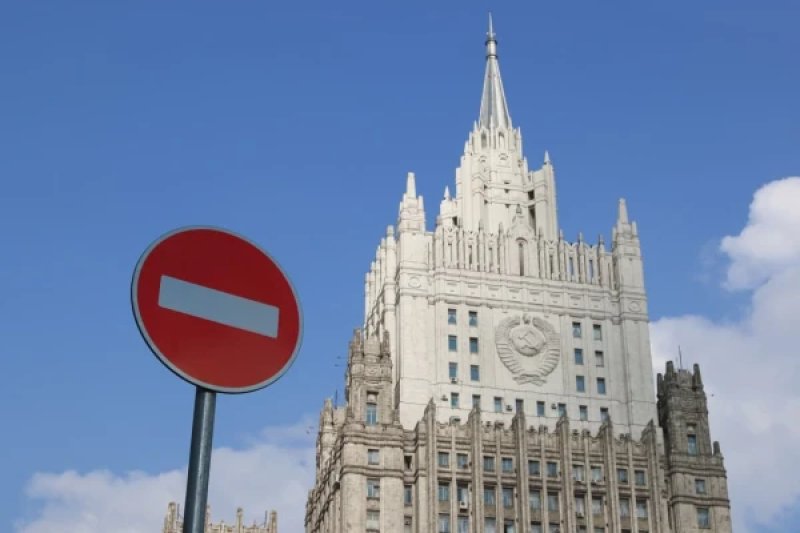
Another dispute between Russia and Lithuania has erupted over Soviet military burials from World War II. On Monday, the temporary chargé d'affaires of the Lithuanian embassy, Jolanta Tubaitė, was summoned to the Russian Ministry of Foreign Affairs. She was presented with a protest regarding the planned relocation of the remains of Soviet soldiers from the memorial complex in the city of Vėvė. Moscow considers such actions unacceptable and views them as an encroachment on the memory of those who died in the war. This is already the second such case in recent weeks. At the end of April, a Lithuanian diplomat was also summoned to the Russian Ministry of Foreign Affairs after a decision was made to rebury the remains of Soviet soldiers in Šiauliai. The conflict is linked to a desovietization law being implemented in Lithuania, which came into effect in 2023. The document provides for the dismantling of a number of Soviet monuments and memorials associated with the period of Soviet rule. At the same time, the authorities emphasize that this does not involve the destruction of burials. In cases where the remains of servicemen are located on the territory of memorials, they are transferred to other military cemeteries. Lithuania, Latvia, and Estonia have been actively reassessing their relationship with the Soviet legacy in recent years. Many monuments that are viewed in Moscow as symbols of victory over Nazism are perceived in the Baltic states as reminders of the subsequent Soviet occupation. This is why issues related to Soviet memorials regularly become a cause for diplomatic conflicts between Russia and the Baltic states. For Lithuania, the desovietization program is part of state policy aimed at rethinking the historical legacy of the 20th century. Russia, on the other hand, traditionally opposes the dismantling or relocation of Soviet monuments and military memorials abroad. Judging by Moscow's reaction, the issue of the burials of Soviet soldiers remains one of the sensitive topics in relations between the two countries. As the process of desovietization continues in Lithuania, similar diplomatic disputes may arise in the future.