

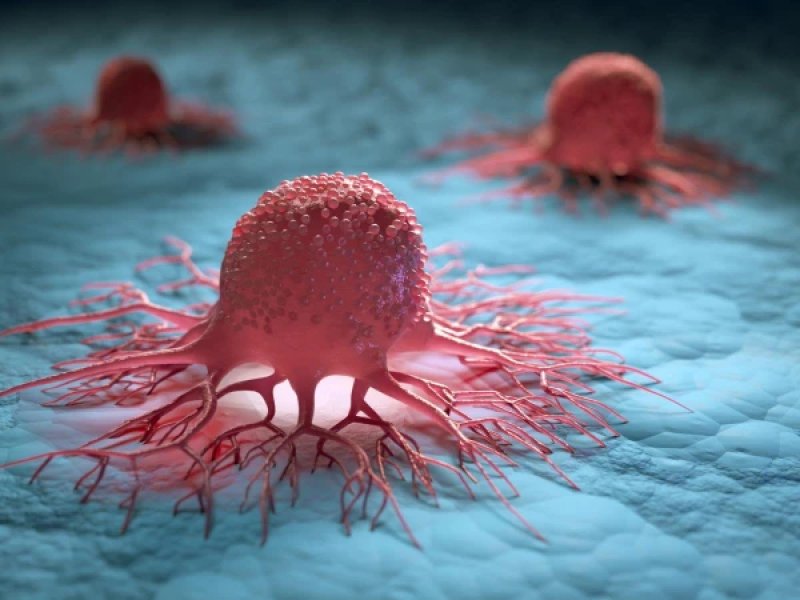
Scientists have reported success with an experimental drug that targets one of the key mutations responsible for tumor growth and significantly extends the lives of patients. The study results were published in the prestigious medical journal *The New England Journal of Medicine*. One of the main reasons for the high mortality rate in pancreatic cancer is the mutation of the KRAS gene. This mutation occurs in more than 90% of patients with this diagnosis. Normally, this gene regulates cell growth and division processes, but when mutated, it becomes constantly activated, causing cells to proliferate uncontrollably. For many years, scientists have attempted to create a drug capable of blocking this mechanism, but the task proved extremely challenging. The KRAS protein has a structure that makes it difficult to find a molecule for effective intervention. Therefore, chemotherapy remained the primary treatment method for a long time, affecting not only the tumor but also healthy tissues in the body. The new drug darasetarib works on a different principle. It does not attack the KRAS protein directly but binds to the cyclophilin A protein. The resulting complex effectively blocks the activity of the mutated KRAS, thereby slowing tumor growth. According to one of the study's authors, Professor of Medical Oncology at the University of Colorado Anschutz, Christopher Liu, this approach has circumvented the problem that has hindered the development of effective targeted therapy for patients with this mutation for many years. About 500 patients with metastatic pancreatic cancer participated in the third phase of clinical trials. The results obtained were quite promising. In patients receiving darasetarib, the median overall survival increased from 6.7 to 13.2 months compared to the group receiving standard chemotherapy. Additionally, the risk of death was 60% lower. Although the drug may cause side effects, most commonly reported were skin rashes and inflammation of the mucous membranes, the majority of patients tolerated the treatment significantly better than traditional chemotherapy. Researchers also noted that patients were less likely to discontinue treatment due to side effects, maintained a higher quality of life, and experienced less pain. Experts emphasize that darasetarib cannot yet be called a definitive victory over pancreatic cancer. Nevertheless, the results of the clinical trials indicate significant progress in the treatment of one of the most dangerous types of oncology. If further research confirms the drug's effectiveness and safety, patients will have a new opportunity to fight the disease with less toxic burden and higher chances of prolonging life.