

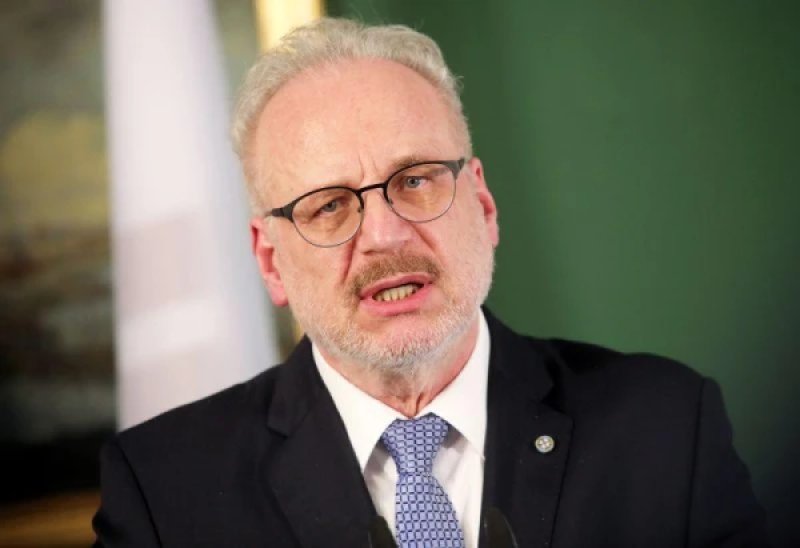
In an interview with TV24, Egils Levits stated that the so-called "legal war" has become one of the tools of modern international politics, writes [nra.lv](https://nra.lv/pasaule/523098-krievija-draud-iesudzet-es.htm). According to him, this is about attempts to use judicial and legal mechanisms not so much to achieve a real result, but to shape public opinion and promote political narratives. Levits noted that Russia could theoretically turn to international judicial bodies with claims against the European Union or individual EU member states. The grounds could be the sanctions imposed, frozen assets, or military and financial assistance to Ukraine. In the opinion of the former president, such processes can create an informational effect, primarily within Russia itself. > "This has a propaganda effect primarily on the residents of Russia, but it can also influence some inexperienced minds in Western society," Levits believes. He reminded that the key international legal context of the current conflict is related to Russia's armed attack on Ukraine. From the perspective of international law, aggression against another state is one of the most serious violations of international norms. Therefore, the imposition of sanctions and other restrictive measures by Western countries, in Levits's view, is a legitimate reaction to these actions. At the same time, the former president does not believe that Russia will be able to achieve significant success in such legal disputes. However, the processes themselves can last for years. International courts often consider cases for one, two, or even three years, and sometimes longer. According to Levits, it is the duration of such proceedings that may be of interest to the Russian side, as the entire time the legal process can be used as an additional informational and propaganda tool. He is convinced that this will not influence the political position of Western countries, but it may be used to justify Russia's actions to its own audience. Thus, in Levits's assessment, potential lawsuits against the EU may have more political and informational significance than real legal consequences for the West's sanctions policy.