

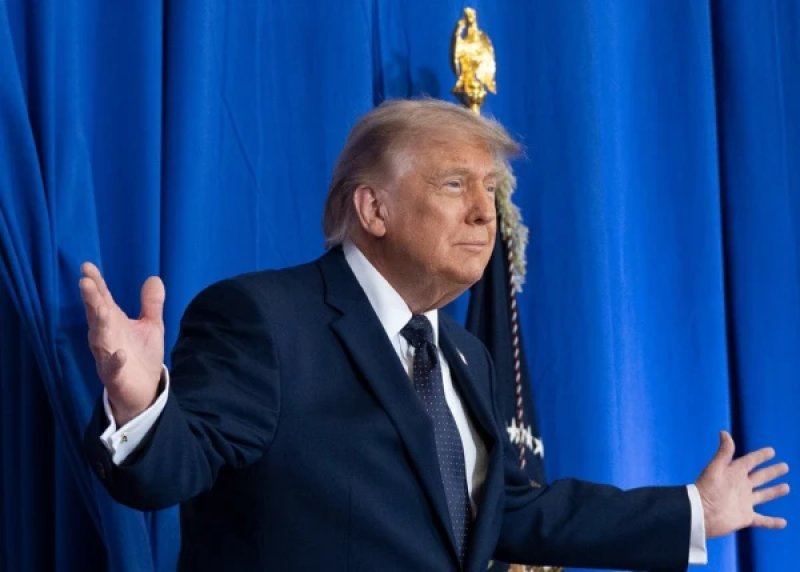
U.S. President Donald Trump has achieved one of the largest political victories in immigration policy after the House of Representatives approved a massive funding package amounting to $70 billion. The bill was supported by 214 congressmen, while 212 voted against it. The document had previously received Senate approval, so now only the president's signature is required for it to take effect. The majority of the funds will be directed towards the operations of the U.S. Immigration and Customs Enforcement (ICE) and the Border Patrol. The Trump administration considers strengthening control over illegal migration as one of the key directions of its policy. The additional funding will expand the capabilities of federal agencies to control borders, detain illegal migrants, and conduct immigration operations. The vote marked the culmination of a prolonged political standoff between Republicans and Democrats. Earlier this year, the issue of funding immigration policy led to serious disagreements in Washington. Democrats demanded to limit the powers of federal agencies in conducting operations against illegal migrants and to tie funding to additional guarantees for the protection of migrants' rights. Republicans refused to support such conditions and utilized a special budgetary procedure that allowed the bill to be passed without opposition support. For Trump, this package holds not only practical but also political significance. The fight against illegal migration remains one of the central themes of his presidency and one of his main promises to his supporters. What is important to understand is that this is not a one-time funding for individual operations, but a long-term provision for the functioning of key immigration agencies until the end of the current presidential term. Trump is expected to sign the law soon, after which the funds will become available to federal agencies. Thus, the president's administration will gain significant additional resources to implement one of the most stringent immigration programs in modern U.S. history.