

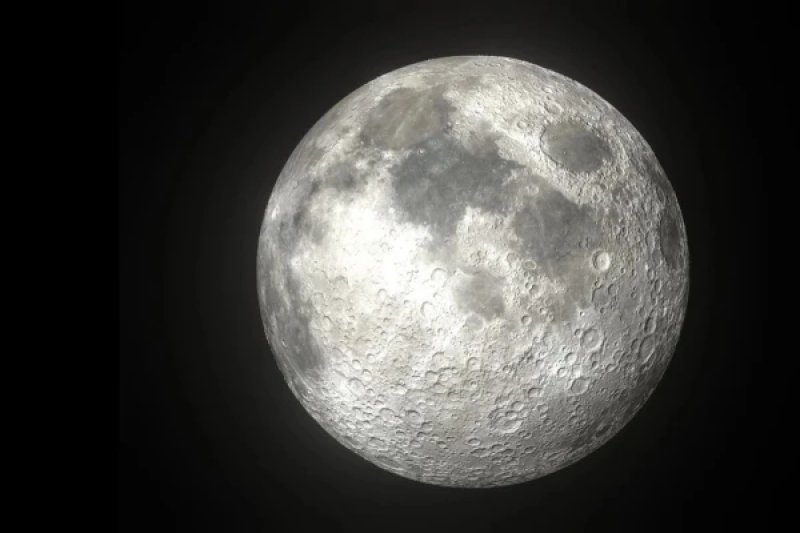
The success of the Artemis III mission, scheduled for launch in mid-2027, depends on two private companies – SpaceX and Blue Origin, which will provide landing modules to transport astronauts from orbit to the lunar surface and back. Thus, NASA's lunar ambitions, according to experts, largely depend on two billionaires – Elon Musk and Jeff Bezos. Interestingly, the former may soon become a [trillionaire](https://bb.lv/statja/ekonomika/2026/06/04/masku-do-trilliona-dollarov-ne-xvatit-odnogo-spilberga). "I and most people would say that this is an unrealistic timeline," said Casey Dreyer, head of space policy at The Planetary Society. In April, NASA demonstrated that it could use the Space Launch System (SLS) heavy rocket and the Orion spacecraft to send people to lunar orbit as part of the Artemis II mission – a mission aimed at orbiting the Moon that was successful, lasting ten days from April 1 to April 11. According to Dreyer, this will allow NASA to go to the Moon in subsequent missions at a much lower cost than during the Apollo program, but the agency is becoming dependent on two billionaires. Phil McAlister, former director of NASA's commercial space division, also deemed that completing the program on time is unlikely, but not entirely impossible. At a press conference, NASA Administrator Jared Isaacman stated that the agency is "extremely confident" in achieving its goal and will transparently inform about any changes. "We will return to the Moon by the end of 2028. Just watch," claims Isaacman. At the end of May, an incident occurred that led experts to suggest possible delays in the new U.S. lunar program: the heavy-lift rocket New Glenn from Jeff Bezos' Blue Origin exploded on the launch pad at the Kennedy Space Center, near Cape Canaveral. The explosion occurred during pre-launch tests, during which specialists were to check the full power of the rocket's engines. No one was injured. The launch was scheduled for no earlier than June 4, during which a batch of Amazon Leo internet satellites was to be delivered to orbit.