

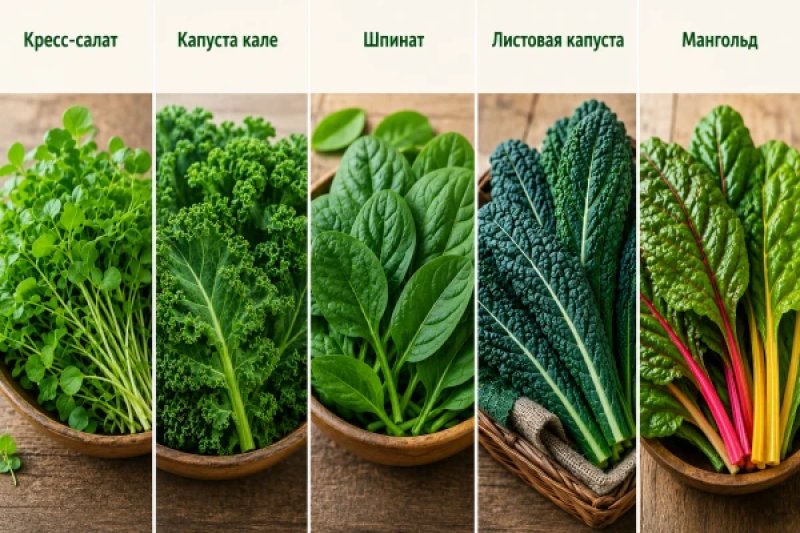
Lettuce remains one of the most popular ingredients in a healthy diet. It contains vitamins A, C, E, and K, as well as antioxidants that help maintain the body's health. However, dietitians note that some types of greens and vegetables have much higher nutritional value. This is reported by Verywell Health. ## Watercress Watercress is considered one of the most nutritious leafy vegetables in the world. According to a study supported by the Centers for Disease Control and Prevention (CDC), it ranked first among 41 fruits and vegetables for nutrient density. This product is rich in glucosinolates, isothiocyanates, and flavonoids. Scientists associate these compounds with pronounced antioxidant and anti-inflammatory effects, which help reduce the risk of cardiovascular diseases and diabetes. ## Kale Kale is rightly called a superfood. It is one of the best natural sources of glucosinolates—sulfur-containing compounds that help the body fight inflammation and protect against a range of chronic diseases. Additionally, kale contains a large amount of folic acid, vitamins A, C, E, B1, and B2, as well as potassium, calcium, iron, lutein, and zeaxanthin. ## Spinach Research shows that spinach contains more polyphenols and carotenoids than many other leafy vegetables. These substances help combat oxidative stress and protect cells from damage. Spinach is also rich in beta-carotene, lutein, zeaxanthin, and flavonoids. Specialists are particularly interested in its high nitrate content, which may help lower blood pressure and maintain cardiovascular health. ## Collard Greens Collard greens are characterized by their high chlorophyll content—a substance with powerful antioxidant properties. According to studies, they contain more calcium than lettuce, and in some respects, they even surpass spinach and kale. For this reason, collard greens are considered a valuable plant source of calcium, especially for people who do not consume dairy products. ## Swiss Chard Swiss chard is among the best sources of vitamin K. Additionally, it is rich in magnesium and potassium—minerals essential for maintaining normal blood pressure and cardiovascular health. Experts note that regular consumption of Swiss chard helps diversify the diet and provides the body with important trace elements. While lettuce remains a healthy product, watercress, kale, spinach, collard greens, and Swiss chard can provide the body with significantly more vitamins, minerals, and antioxidants. Dietitians recommend including these types of greens in the daily menu more often to make the diet as nutritious and varied as possible.