

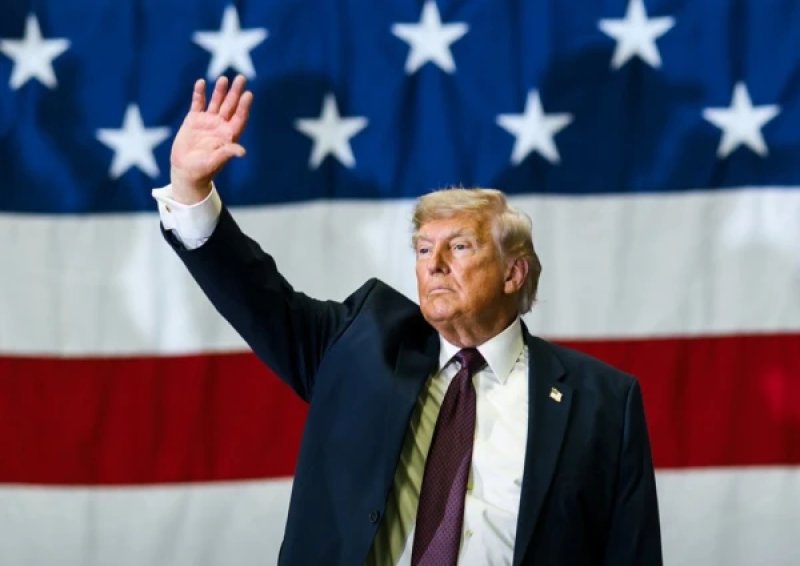
U.S. President Donald Trump announced that a national convention of the Republican Party will take place on September 9 and 10 in Dallas, dedicated to the midterm elections for Congress. This is an unusual step for modern American politics. Typically, national conventions of the largest parties are held only in the lead-up to presidential elections, when candidates and the election platform are officially approved. This time, the goal of the convention is different — to increase the activity of the Republican electorate ahead of the vote, in which the party will fight to maintain control of the House of Representatives and the Senate. For Trump, the outcome of the elections is particularly significant. If the Democrats manage to regain a majority in at least one chamber of Congress, they will have the opportunity to block legislative initiatives from the White House and more actively oversee the administration's work, including conducting parliamentary investigations. Currently, the Republicans' advantage in Congress remains minimal. Moreover, American political practice shows that the president's party often loses ground in midterm elections. That is why the Republican leadership is eager to make the most of Trump's popularity. Without his name on the ballots, party leaders fear a decrease in turnout among their supporters. Trump has been promoting the idea of holding such a convention since last year. Now it has taken practical shape. Although such events have not been held for a long time, this practice is not entirely new. In the 1970s and 1980s, the Democratic Party organized national conventions before midterm elections. In recent years, Democrats have also discussed returning to this model but ultimately abandoned the idea. The convention in Dallas will be one of the key political events for Republicans ahead of the fall campaign and will demonstrate how much the party relies on Trump's personal influence to mobilize voters.