

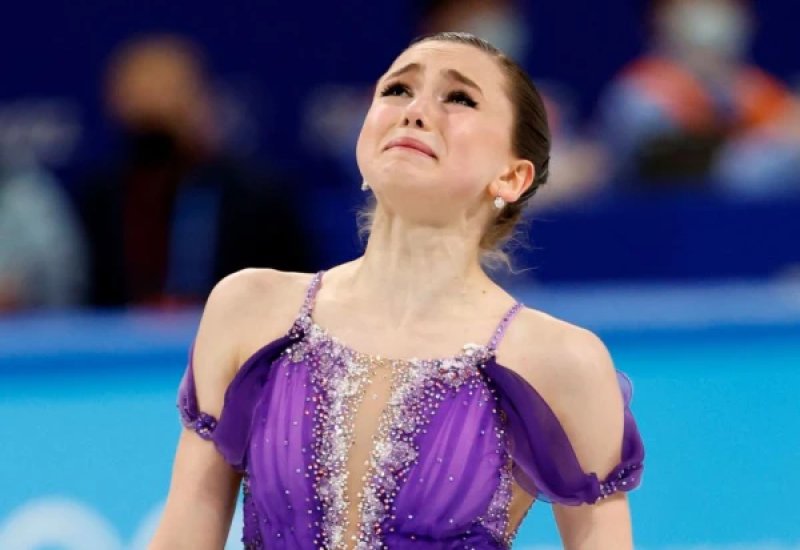
The International Skating Union (ISU) has allowed athletes from Russia and Belarus to participate in international competitions under its auspices in a neutral status in both individual and team events. This is stated in the ISU press release published the day before. Starting from the 2026-2027 season, which begins in the fall, Russian and Belarusian speed skaters and figure skaters will be able to return to the ice, but under a number of conditions - those who serve in the Armed Forces of the Russian Federation or national security agencies, participated in military actions, or directly or indirectly support or have supported the Russian invasion of Ukraine will not be allowed to compete. Among other requirements is the absence of national symbols at competitions, which also applies to the coaching staff and accompanying personnel, as well as undergoing a thorough inspection. According to the press release, athletes and their companions will have to sign a document confirming their agreement with all participation conditions. An external company will be responsible for monitoring compliance with these conditions. In particular, its powers will include checking social media, any appearances at public, including propaganda, events, and attitudes towards the war in Ukraine. Additionally, the ISU warned that it will assess the situation and reserves the right to both ease and tighten the rules again if it notices incidents that threaten the "safety and integrity" of the competitions. ## ## Sports sanctions The ISU, like many other federations, suspended athletes and officials from Russia and Belarus from participating in international competitions after the start of Russia's invasion of Ukraine. However, recently, a number of international sports organizations have begun the gradual lifting of sanctions on Russian and Belarusian athletes. In particular, several athletes were allowed to participate in the 2026 Winter Olympics in Italy in a neutral status. But some federations went further and allowed full participation - with symbols and anthem - of Russians and Belarusians in international competitions across all age categories in sports such as judo, taekwondo, wrestling, gymnastics, fencing, aquatic sports, and weightlifting. The International Skating Union explained its decision, among other things, by considering two recommendations issued by the International Olympic Committee in December 2025 and May 2026. The first called for the complete lifting of restrictions on younger age Russian and Belarusian athletes, while the second noted the principle of "political neutrality" - athletes should not be deprived of the right to compete due to the actions of their governments. At the same time, separate legal and anti-doping issues concerning Russia remain, which, according to the IOC, do not yet allow for a complete lifting of restrictions. ## ## Ukraine's reaction The President of the Ukrainian Figure Skating Federation, together with the head of the Lithuanian Figure Skating Federation, issued a statement calling the ISU's decision to allow Russian figure skaters to compete - "hypocritical and shameful." The document states that the return of Russian and Belarusian athletes, even without a flag and anthem, is a manifestation of disrespect towards Ukrainian athletes and the victims of the war. "Athletes representing the aggressor state are once again allowed to international figure skating competitions - this is the decision of the ISU Council. They return without a flag and anthem, however, this decision was made without conscience, without hope, and without respect for those who fought and continue to fight for freedom," the statement reads. "This is hypocrisy. This is shame. This is disgrace.