

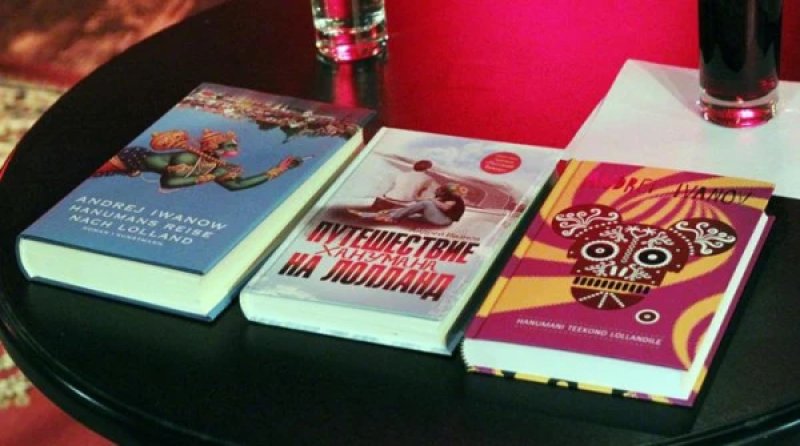
Today, urgent amendments prepared by the Ministry of Foreign Affairs were submitted to the Cabinet of Ministers, which will lead to a ban on the import of certain products from the Russian Federation and Belarus into Latvia. The amendments were already conceptually approved by the ruling coalition this Monday and will surely be supported by the government on July 7. Moreover, an agreement has been reached that an extraordinary meeting of the Saeima will be convened urgently this month (tentatively on July 23) to approve these amendments. It is expected that the bill will be adopted in just one day. The President will also not delay in signing the bill, and it may come into force as early as the first days of August! "The purpose of the bill is to include in the law on support for the civilian population of Ukraine a ban on the import of certain industrial goods, the country of origin of which is the Russian Federation or the Republic of Belarus, thereby forming a national ban on imports. Thus, the ban will contribute to the cessation of economic ties between Latvia and the Russian Federation as an aggressor state and the Republic of Belarus as a supporter of aggression (hereinafter referred to as aggressor countries) and further reduce imports from them," the annotation to the bill states. What goods might be banned first? Here’s what is stated in the explanation to the bill: "The Ministry of Foreign Affairs has been tasked with preparing a proposal to establish a national ban on the import of books, newspapers, video games, sports goods, toys, clothing, and footwear, the country of origin of which is Russia or Belarus. Therefore, after the amendments to the law come into force, the Cabinet of Ministers will issue regulations specifying the aforementioned groups of goods. Books, newspapers, video games, sports goods, toys, clothing, and footwear imported from the Russian Federation and the Republic of Belarus amount to 12.5 million EUR, or 6.5%, which is 0.05% of total Latvian imports." Thus, Latvian bookstores will no longer be able to sell works of Russian classics, contemporary literature, including works by world authors translated into Russian and published in the Russian Federation. What will bookstores that primarily sell books in Russian do in this situation? This is a rhetorical question.