

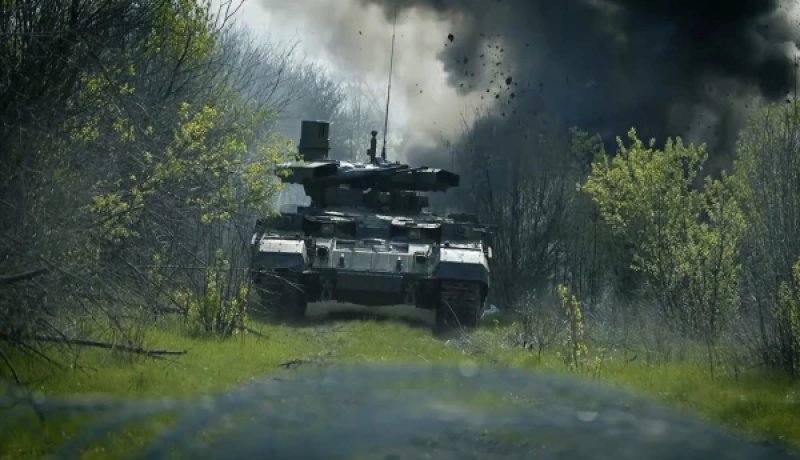
According to Alexeeva, speaking to the LETA agency, if Russia decides to take action against the Baltic countries, it is likely to be asymmetric in nature. She believes that this could involve hybrid operations that will be difficult to classify as a direct military attack and that will not clearly fall under Article 5 of the North Atlantic Treaty on collective defense. At the same time, the researcher emphasizes that the absence of signs of preparation for a classic invasion does not mean there is no risk. According to her, it cannot be ruled out that Russia is developing various scenarios and preparing for possible actions in the future. Therefore, Alexeeva believes that the Baltic countries should not perceive Russia's aggressive rhetoric solely as propaganda or a reason for complacency. "We should not be unprepared and continue to live without a 72-hour emergency backpack and without equipped shelters. Feeling threatened is unpleasant, but it is even more unpleasant to be unprepared if something happens," the researcher noted. In recent years, the authorities of the Baltic countries have repeatedly recommended that residents prepare a supply of water, food, medications, and other essentials in case of emergencies. Such recommendations concern not only potential military threats but also major accidents, power outages, and natural disasters. In Alexeeva's opinion, societal readiness for various scenarios remains an important part of national security, regardless of how likely a particular scenario may be. Thus, the expert does not see signs of preparation for a traditional military invasion; however, she believes that the countries in the region should maintain readiness for possible hybrid threats and other crisis situations.