

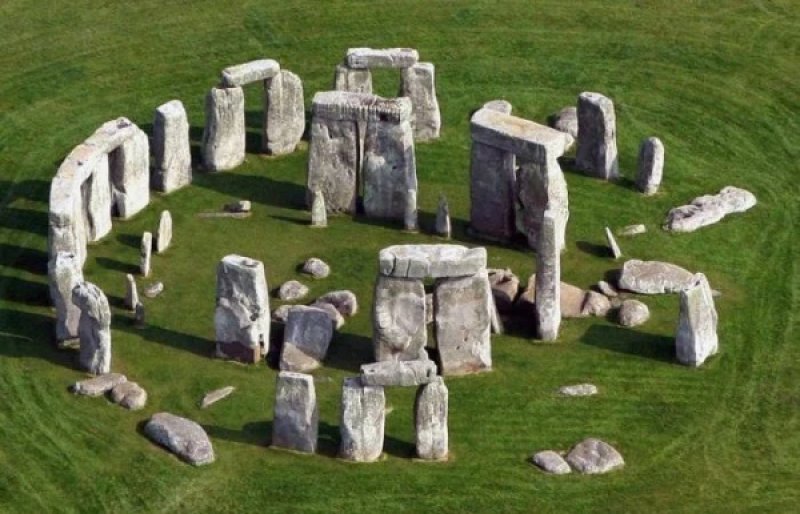
Preliminary studies have shown that the structure was created about five thousand years ago and initially represented not a stone circle, but a large complex of wooden constructions. It was surrounded by several earth mounds and ditches, forming a complex system characteristic of cult objects from the early Neolithic period. During ground-penetrating radar surveys and trial excavations, specialists discovered traces of massive wooden posts, which were presumably part of a ritual structure. According to scientists, the complex may have served both religious and astronomical functions long before the emergence of the classic Stonehenge with its giant stone blocks. Researchers believe that the discovery indicates a high level of engineering knowledge among ancient communities. It is likely that the builders were well-versed in the movements of celestial bodies and used this knowledge in creating the sacred space. Currently, extensive research is ongoing at the site of the find. Specialists in radiocarbon dating, paleoecology, and other scientific fields are involved in the work, aiming to determine the exact age of the complex and restore the characteristics of the lives of the people who inhabited this region during the Neolithic period. British authorities have already begun the process of granting the area special protective status. Scientists hope that further excavations will help better understand the structure of ancient society and confirm that Stonehenge was part of a much larger cult and ritual landscape that developed over many centuries.