

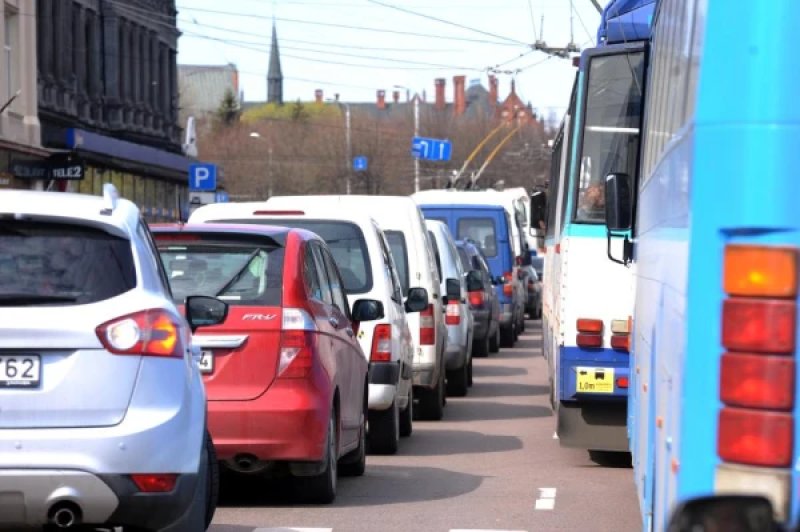
In the first six months of the year, 36,327 vehicles were registered for the first time in Latvia, which is 5,802 or 19.0% more than in the same period of 2025. Of these, 19,133 were purchased from Latvian dealers and 17,194 were imported from abroad. The data indicates a stable recovery of the automotive market after the pandemic and geopolitical uncertainty. After several years of challenges — from pandemic-induced supply chain disruptions to rising inflation and energy prices — the Latvian automotive market is showing a steady recovery. The difference between the segments of new and used vehicles is particularly noticeable in terms of choice trends and consumer behavior. When it comes to new vehicles, Latvian consumers are increasingly trusting local dealers. In the first half of 2026, 19,133 new vehicles were registered for the first time in Latvia, purchased from dealers — a 19.5% increase compared to the previous year. Toyota holds an undisputed leading position with a market share of 16.5% — almost double that of the nearest competitor. The popularity of the Japanese brand is based on the reliability of hybrid technologies and fuel efficiency. The most popular models are the Toyota Yaris Cross (858 units), RAV4 (694), and Corolla (692). German brands VW (12.3%) and BMW (7.9%) occupy the second and fourth places, while Škoda (9.8%) and Audi (7.0%) confirm that Czech and German engineering is still highly valued. In the new car segment, gasoline engines dominate (55.4%), while the share of diesel has decreased to 25.0%. The combined share of hybrids (gasoline + electricity) and purely electric vehicles exceeds 17%, indicating a gradual shift towards more sustainable solutions. Although the new car market is growing rapidly, the used vehicle segment remains significant — especially for consumers seeking greater value at a lower price. In the first half of 2026, 17,194 used vehicles were registered for the first time in Latvia, imported from abroad — an 18.4% increase compared to the previous year. In the used vehicle segment, BMW leads with a market share of 18.9%, followed by Audi (12.3%) and VW (11.8%). Premium German brands dominate as consumers seek prestige and quality at a more affordable price than new models. The most popular models — Volvo XC60 (436), VW Golf (392), and BMW 320 (334) — indicate a demand for mid-range and SUV-type vehicles.
