

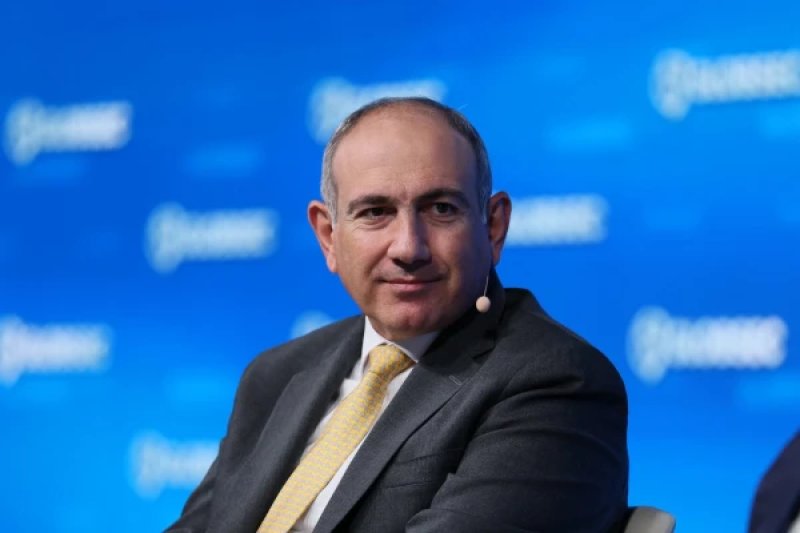
The European Union is abolishing tariffs on 80% of goods exported from Armenia. This was announced by the President of the European Commission, Ursula von der Leyen, after a meeting in Yerevan with Armenian Prime Minister Nikol Pashinyan on Thursday, July 2. The meeting was attended by European Commissioner for Enlargement Olivér Várhelyi. According to von der Leyen, the results of the recent parliamentary elections in Armenia "demonstrated the strength of democracy" in the country. "The Armenian people chose reforms and closer partnership with the EU," said the EC President. "No country should be pressured for its sovereign choice," Ursula von der Leyen continued. "That is why the EU is providing Yerevan with support amounting to €52 million and offering duty-free access to the EU market for 80% of Armenian exports. Armenia can count on us." According to the EC press release, goods from sectors affected by Russian restrictions will also be exempt from customs duties. In particular, the EU's concessions will apply to 99% of Armenian fresh fruits and over 91% of beverages and alcoholic products. ## ## Financial Assistance to Armenia from the EU The announcement of the European Union's allocation of €52 million to Armenia was made in early June. Within two weeks after that, the EU transferred €34 million to Yerevan. The remaining €18 million is expected to be allocated soon. As a result, the total amount of financial assistance to Armenia from the EU will reach €288 million. According to the European Commission, "Armenia has proven to be a bastion of stability and democratic resilience in the South Caucasus region." "In this context, the EU welcomes the historic progress towards peace between Armenia and Azerbaijan, as well as the ongoing normalization of relations with Turkey," the press release on the EC website states. ## Results of the Parliamentary Elections in Armenia and 'Divorce' from Russia According to the final results of the parliamentary elections in Armenia, only three political forces entered the country's parliament: the party of Prime Minister Nikol Pashinyan, "Civil Contract," as well as two pro-Russian parties - "Strong Armenia" and the "Armenia" bloc. Ahead of the voting day, the EU accused Russia of attempting to interfere in the Armenian elections, and in Armenia itself, cases of treason were opened against pro-Russian politicians. Earlier, on May 5, the first-ever EU-Armenia summit took place in the Armenian capital. After that, Russian President Vladimir Putin proposed an "intelligent divorce" to Armenia, which was perceived in Yerevan as an ultimatum. In recent weeks, Russia has imposed a number of restrictive measures against Armenian exports. The restrictions affected, in particular, stone fruits and grapes, fish, flowers, mineral water, cognac, wines, and some other goods. Armenian authorities and observers linked Moscow's actions not only to sanitary claims but also to a sharp deterioration in relations amid Prime Minister Nikol Pashinyan's course towards rapprochement with the EU and the USA.
