

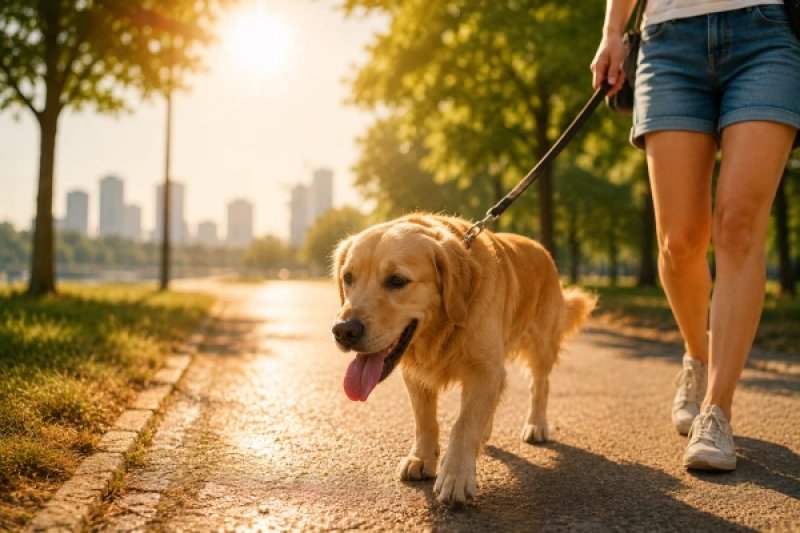
In hot weather, walking can become a serious challenge for dogs. According to veterinarians, overheating in animals can develop in just a few minutes, so it is important for owners to assess outdoor conditions in advance. As reported by **Express**, specialists recommend conducting a simple five-second test before every walk to determine how safe it is to take your pet outside. ## What is the Five-Second Test The chief veterinary officer of the **Vets Now** network, Sadi Spencer, explains: before going out, simply place the back of your hand on the asphalt or sidewalk and hold it there for **five seconds**. If the surface feels too hot and it is difficult to endure this time, it may burn your dog's paw pads. In such a situation, it is better to postpone the walk to a cooler time of day or choose a route that goes through grass and shaded areas. ## When is it Safer to Walk According to the specialist, walks at air temperatures **up to +19 °C** are generally considered safe for most dogs. However, with each degree, the risk of overheating increases, especially if the heat has come on suddenly and the animal has not yet adapted to the new weather conditions. That is why veterinarians recommend taking dogs for walks **early in the morning or after sunset**, when the air and road surface have had time to cool down. ## Danger Not Only Outdoors Experts remind us that heatstroke can occur not only during active walks. One of the most dangerous situations remains leaving a dog in a closed car. Even if the car is parked in the shade or the window is slightly open, the temperature inside the cabin can quickly become life-threatening for the animal. Therefore, leaving a dog in a car is not permissible even for a few minutes. ## Which Dogs Overheat Faster Particular attention should be paid to pets that belong to high-risk groups. These include: * brachycephalic breeds (pugs, bulldogs, Shih Tzus, and others); * elderly animals; * overweight dogs; * pets with chronic illnesses; * breeds with thick double coats. Due to the structure of their airways or fur, these animals find it harder to regulate their body temperature. ## How to Recognize Heatstroke Signs that a dog is becoming unwell may include the following symptoms: * severe shortness of breath; * excessive drooling; * intense thirst; * vomiting or diarrhea; * rapid heartbeat; * loss of coordination; * a "glassy" stare; * weakness and lethargy. If these signs appear, it is essential to move the animal to a cool place as quickly as possible, gently cool it down with cool (not icy) water, allow it to drink, and immediately consult a veterinarian. In summer, a few seconds can make a crucial difference for your pet's health. A simple five-second test before a walk helps determine how safe the hot asphalt is, and walking during the morning and evening hours significantly reduces the risk of overheating. If a dog shows signs of heatstroke, do not delay — the animal needs immediate help.
