

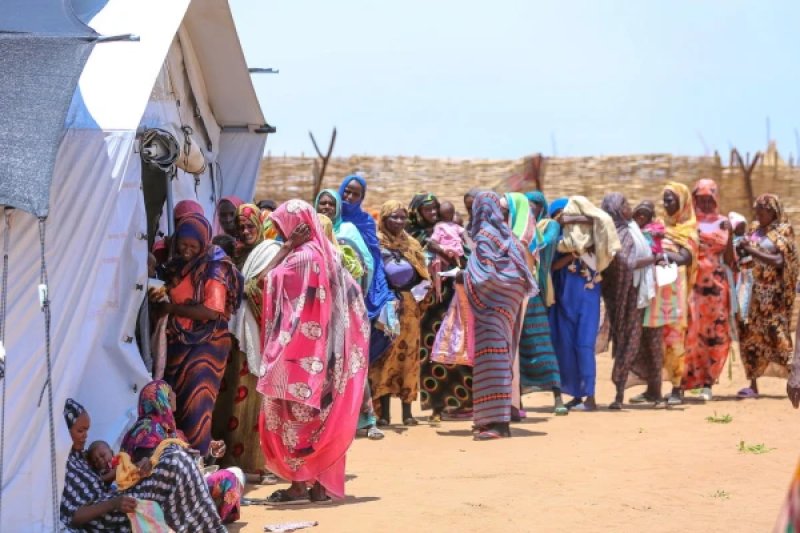
According to a published report, the crimes were committed during the prolonged siege of the city of El Fasher — the administrative center of North Darfur, which has been the scene of fierce fighting between the Rapid Support Forces (RSF) and the Sudanese army for over a year, [reports](https://entrevue.fr/ru/monde/onu-massacres-viols-et-famine-au-soudan-une-enquete-conclut-a-un-genocide-au-darfour/) entrevue.fr. UN investigators concluded that the actions of the RSF were deliberate and met the criteria for genocide. The report also states that the RSF and their allies committed a war crime by using hunger as a weapon. According to the mission, armed groups obstructed the delivery of humanitarian aid, maintained a prolonged siege of the city, and struck at facilities related to food production. Experts warn that a similar scenario could unfold in the city of El Obeid. ### Testimonies of Survivors The testimonies collected by the mission describe the extreme brutality of the events. According to eyewitnesses, women and girls were subjected to abductions and gang rapes. Some victims reported that sexual violence occurred in places where the bodies of recently killed civilians, including family members, were nearby. ### RSF Denies Allegations The Rapid Support Forces rejected the findings of the investigation. Since the beginning of the conflict, they have consistently denied involvement in such crimes, calling the accusations fabricated by their opponents. In turn, the RSF accuse the Sudanese army of committing similar violations. ### Humanitarian Crisis Continues The report was published against the backdrop of a civil war in Sudan that has been ongoing for more than three years, leading to one of the largest humanitarian disasters of modern times. The fighting has forced millions of people to flee their homes, and in several regions of the country, the food crisis has sharply worsened. Despite numerous calls from the international community for a ceasefire, hostilities continue. The new UN report has become one of the harshest international accusations against the Rapid Support Forces since the conflict began in Sudan. If the mission's findings receive further legal confirmation, it could increase international pressure on the conflict participants and serve as a basis for new investigations and prosecutions of those responsible.