

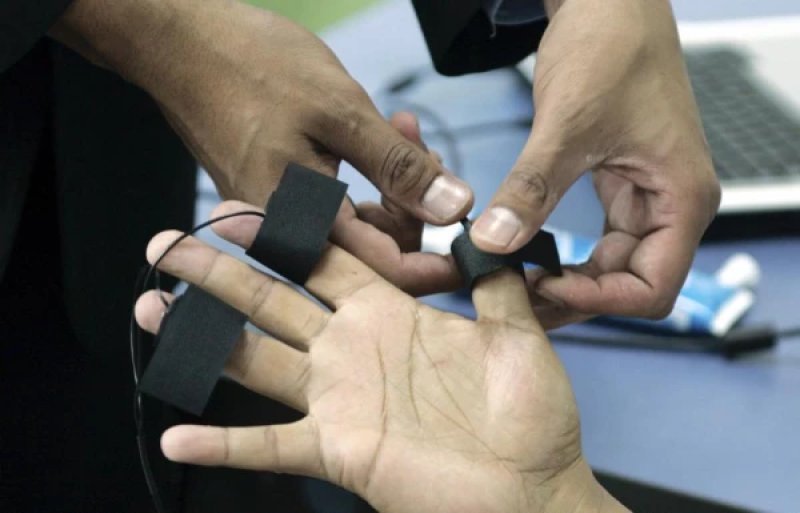
This week, 81 members of the Seimas voted in favor of the amendments, four voted against, and 14 abstained. The initiator of the changes was the Second Department of Operational Services (military intelligence). During the presentation of the project, it was noted that previously, individuals working or applying to work with classified information could not be tested on a lie detector if they were not government officials, military personnel, or employees of agencies. Until now, only current secret intelligence officers could undergo testing, but not candidates for this role. There were also no legal grounds for testing foreigners. "Given the geopolitical situation, the activation of hostile intelligence services in Lithuania, and the increasing cases of recruitment, we aim to strengthen national security measures. This will allow for a more comprehensive assessment of individuals when granting access to classified information and when issuing residence permits to foreigners," said Deputy Minister of Defense Karolis Aleksa in the Seimas. According to the adopted amendments, the list of those to be tested on the polygraph now includes representatives of supplier companies, candidates for secret intelligence positions, and foreigners who potentially threaten national security. It has also been established that polygraph testing may be applied when deciding on the issuance or annulment of access to classified information if there are suspicions of concealment or providing false biographical data. In the case of a negative polygraph conclusion, the decision on access to classified information will be made taking into account all available data about the individual being tested and their surroundings. Refusal to undergo polygraph testing will result in denial of issuance or annulment of any existing access to classified information. In the case of a negative result for a foreigner, all available information will also be assessed; however, refusal to undergo testing will be considered a potential threat to state security. According to current legislation, polygraph testing may be conducted by institutions of the internal affairs system, military intelligence, the State Security Department (SSD), and the Special Investigations Service.
