

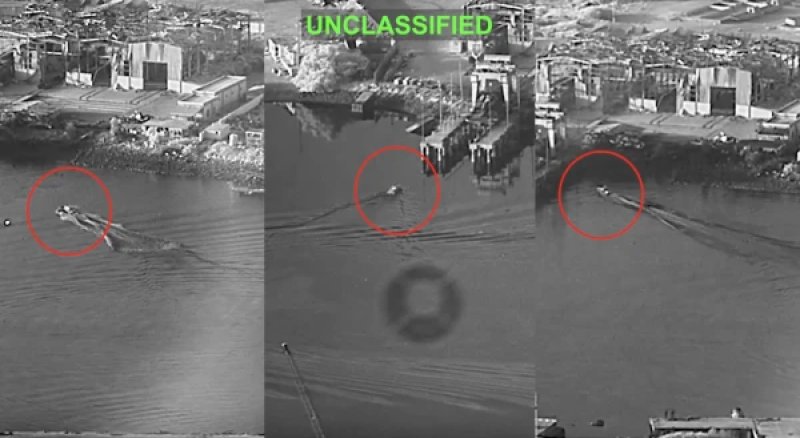
The Ministry of Defense of the United Arab Emirates reported that two state tankers — Mombasa and Al Bahiyah — were subjected to a missile strike while passing through the southern shipping route of the Strait of Hormuz in the territorial waters of Oman. According to the agency, two Iranian cruise missiles were fired at the vessels. As a result of the attack on the Mombasa tanker, one crew member — a citizen of India — was killed. Eight others were injured, four of whom are in serious condition. Among the injured are six citizens of India and two citizens of Ukraine. After the missiles struck both vessels, fires broke out, but they were managed to be localized. The Strait of Hormuz is considered one of the most important maritime routes in the world, through which a significant portion of global oil exports passes. Any armed incidents in this area can affect the safety of international shipping and the situation in the global energy market. UAE authorities called the incident a serious violation of international law and stated that they reserve the right to take retaliatory actions. The attack coincided with a new series of American strikes on Iranian territory. Iranian media reported explosions in the south of the country, while U.S. military officials stated that the operation aims to further reduce Iran's capabilities to attack commercial vessels in the Strait of Hormuz. Meanwhile, the U.S. continues its military campaign for the third night in a row. The U.S. Central Command (CENTCOM) reported that a new operation began at 11:45 PM Latvian time. In a statement, U.S. military officials said that the strikes are aimed at damaging Iran's military potential and reducing its ability to threaten civilian vessels and the civilian population. The day before, U.S. President Donald Trump stated that the possibility of reaching an agreement with Iran still exists, but at the same time warned of continued powerful strikes. Additionally, Trump announced that he had previously officially notified Congress about the resumption of military operations against Iran, allowing the Pentagon to continue actions in the region without additional Congressional approval for 60 days. According to the U.S. side, dozens of facilities in Iran were attacked the day before. In turn, the Islamic Revolutionary Guard Corps announced new strikes on Bahrain, Jordan, Kuwait, and Oman. Trump also again threatened to destroy the underground facility "Mount Tesla" (Mount Pickaxe) in the Natanz area, which, according to Western intelligence agencies, may be used by Iran for undeclared uranium enrichment activities. The military confrontation between the U.S. and Iran continues to escalate, and new incidents in the Strait of Hormuz heighten concerns about further escalation of the conflict and the safety of international shipping.