

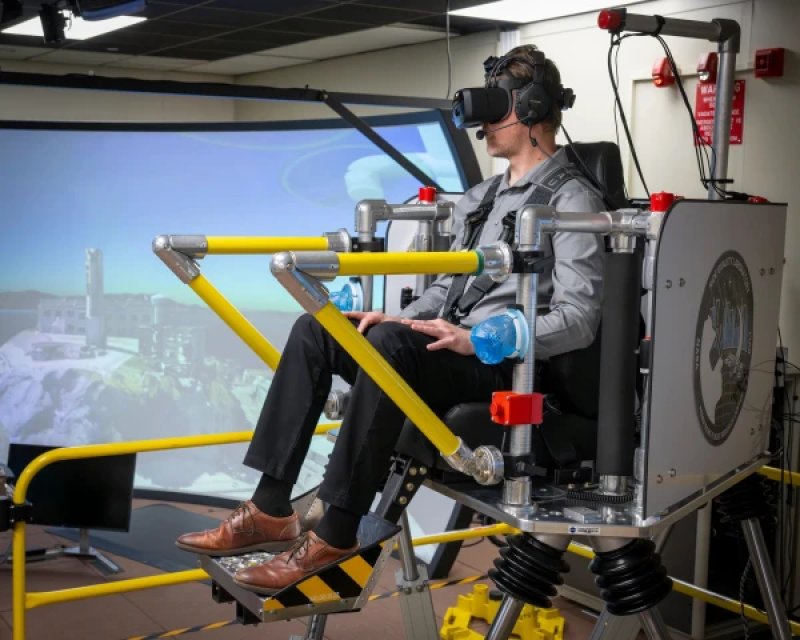
NASA is conducting research that could influence the development of the air taxi industry — small vertical takeoff and landing aircraft designed for short urban and suburban routes. The main goal of the project is to determine which maneuvers cause discomfort for passengers and how to design flights so that people feel confident and are willing to use air taxis again. To achieve this, volunteers at the Armstrong Flight Research Center in California undergo virtual flights on a special motion simulator. During the tests, they experience various tilts, accelerations, turns, and other maneuvers that may occur during the operation of air taxis. Researchers analyze how passengers perceive such movements and at what point they begin to feel discomfort. The results obtained have allowed NASA to develop models linking flight characteristics with passenger comfort levels. This data can be used by air taxi manufacturers when designing new aircraft and developing flight control programs. Particular attention is paid to sudden changes in motion that may occur, for example, due to gusts of wind or during landing. Using the research results, engineers will be able to determine which loads most people perceive as comfortable and which may cause unpleasant sensations. "Thanks to this and other studies, we are beginning to define the thresholds of passenger comfort during aggressive flight modes. We can predict how air taxis should fly so that most passengers enjoy the flight and want to use the service again," noted NASA's lead researcher Curtis Hanson. During the experiments, participants took virtual flights from downtown San Francisco to Alcatraz Island. They experienced various levels of roll, pitch, yaw, and acceleration, after which they rated the comfort of each flight on a five-point scale and noted which movements caused the most discomfort. Researchers also asked participants if they would be willing to use a real air taxi if the flight was accompanied by noticeable turbulence. The responses indicated that modern passengers are likely less tolerant of discomfort during flights than participants in similar studies conducted several decades ago. This work is part of NASA's program to develop advanced air mobility. Its results will help make future air taxis not only safe but also more comfortable for everyday trips.