

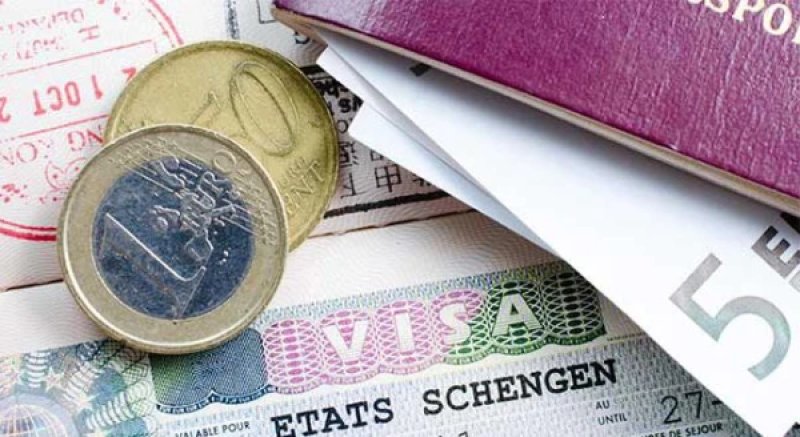
This week, an informal meeting of the justice and interior ministers of EU countries will take place. Ahead of the meeting, the government reviewed a report prepared by the Ministry of the Interior regarding its agenda. The Ministry notes that visa policy is an important tool for ensuring security and external cooperation. It defines the conditions for entry into the EU and facilitates interaction with partner countries in the areas of migration management, return and readmission, as well as security. A reliable and transparent visa system is crucial for protecting the EU's external borders and ensuring the safety of its citizens. In recent years, the European Union has faced a significantly changed security environment and new threats from hostile third countries. At the same time, Russia's full-scale invasion of Ukraine has revealed the limitations of existing EU visa mechanisms in the context of a sharp deterioration in the geopolitical situation and security. According to the ministry's assessment, the current conditions require more flexible and targeted visa policy tools that would allow the EU to respond proportionately to emerging threats. Furthermore, the first EU Visa Strategy, adopted by the European Commission earlier this year, outlines further directions for the development of visa policy. The document identifies security as one of its key priorities, including the need to protect EU citizens and territory by strengthening the capacity to prevent threats and respond to risks associated with migration, hybrid attacks, and other global challenges. The strategy provides for a more transparent and strategic approach to granting visa-free regimes, as well as the introduction of targeted restrictive visa measures. These will allow for the suspension, rejection, or limitation of visa applications for specific categories of third-country citizens whose relations with the EU have significantly deteriorated. Such measures may apply, for example, to holders of diplomatic, service, and official passports, identified former and current members of armed formations from aggressor countries, representatives of elites connected to state structures, as well as applicants traveling for non-essential purposes. At the same time, it is proposed to maintain exceptions for humanitarian and other special cases, including human rights defenders, independent journalists, and representatives of civil society. As noted in the report, at the informal meeting, ministers will discuss possible types of targeted restrictive visa measures, as well as mechanisms for their introduction and application. Latvia's position is to support the introduction of EU-wide targeted restrictive visa measures against specific categories of third-country citizens. In particular, it concerns the possibility of suspending or limiting the acceptance of visa applications if a specific third country poses a significant threat to the security and public order of Latvia and other EU member states. The report emphasizes that Russia represents a long-term threat to European security, therefore Latvia advocates for the maximum possible reduction of any forms of cooperation with it. Latvia also maintains a firm position that issuing visas to Russian citizens for entry into the EU for non-essential purposes, especially tourism, while Russian aggression against Ukraine continues, is unacceptable both from a security and ethical standpoint.