

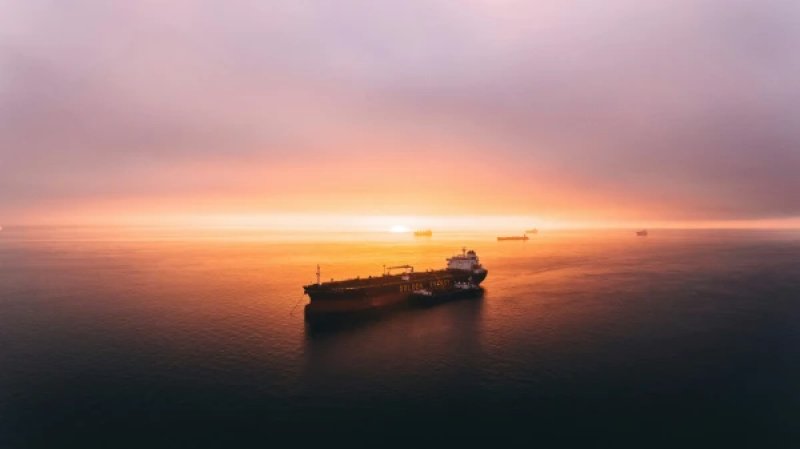
The conflict between the U.S. and Iran has sharply escalated overnight: commercial vessels have been attacked, military operations have resumed, and fears are growing that hostilities could spread throughout the Persian Gulf. The most serious development occurred in the Strait of Hormuz, where, according to the authorities of the United Arab Emirates, two of their oil tankers were hit by Iranian cruise missiles while passing through this strategically important waterway. One crew member from India was killed, and eight others were injured after both vessels caught fire. The UAE Ministry of Defense called the strike "a clear violation of international law" and stated that it reserves the right to take any necessary measures to protect its interests. ## ## The U.S. and Iran Exchange Strikes The United States has also intensified its military campaign. U.S. Central Command reported that it conducted a five-hour operation in southern Iran, striking several targets. Tehran claims to have responded by striking an American warship and U.S. bases in Bahrain and Kuwait. Jordan, in turn, claims to have intercepted four Iranian missiles that entered its airspace overnight. ## ## A Maritime Blockade is About to Begin The latest exchange of strikes occurred on the eve of the introduction of a new U.S. maritime blockade, which is set to begin on Tuesday at 20:00 GMT. Vessels traveling to and from Iranian ports will be subject to restrictions, while other commercial traffic will be allowed to continue through the Strait of Hormuz. U.S. President Donald Trump announced the decision on social media, stating that the United States will become the "guardian of the Strait of Hormuz" and proposed a 20% levy on commercial cargo passing through this waterway. Iran's Foreign Minister Abbas Araghchi rejected U.S. claims to control this strategic maritime route, emphasizing that Iran has always been and will remain its guardian. At the same time, he agreed that whoever ensures the safe passage of vessels through the strait should receive compensation. ## ## Concerns About the Expansion of Regional Conflict The Strait of Hormuz remains open; however, about one-fifth of the world's traded oil passes through it, making it one of the most important energy corridors on the planet. Amid attacks on commercial vessels, the involvement of neighboring states in the confrontation, and the expansion of military operations throughout the Persian Gulf, fears are growing that each new exchange of strikes increases the risk of a much larger regional conflict.