

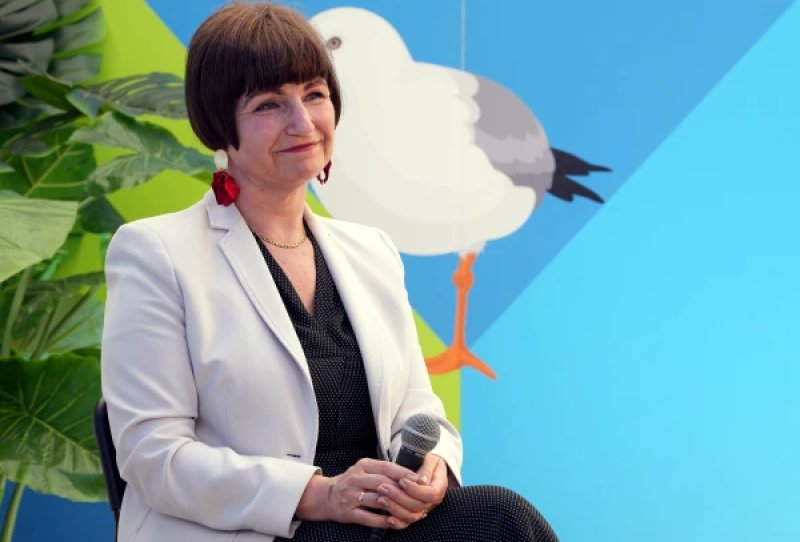
According to Osipova, academic freedom means the right of a researcher to independently choose the topic of their scientific work, research methods, and the way to publish results. This independence, she believes, allows science to develop and create new knowledge. At the same time, the professor warns that uniform requirements for all scientific disciplines and a focus solely on quickly measurable practical results may reduce the level of creative exploration and limit the emergence of new ideas. In her opinion, such changes occur gradually and are not always immediately noticeable. Osipova recalled the words of Professor Kirsten Roberts Lyer from the University of Vienna, stating that academic freedom rarely disappears all at once — more often it is gradually restricted by changes in rules, evaluation systems, and mechanisms for managing science. Today, the issue of academic freedom is becoming particularly relevant in Latvia. In recent months, the Saeima and society have actively discussed how individual scientific studies have practical value for the country and how state funding for science should be allocated. At the same time, the Charter of Fundamental Rights of the European Union explicitly enshrines the freedom of scientific research and requires respect for academic freedom. However, Osipova believes that legal guarantees alone are not enough if bureaucratic pressure on scientists increases in practice and there are constant demands to prove the immediate practical return of their research. The professor also reminded that after the restoration of Latvia's independence, academic freedom became one of the symbols of the rejection of Soviet censorship. Historically, its restriction has often accompanied processes of increasing state control. The discussion on the principles of science funding will continue next week. On July 22, the Saeima's commission on state expenditures and audits will review the projects of the Fundamental and Applied Research Program (FLPP). Interest in the program remains record high: this year, 731 applications have been submitted for the competition — more than ever before. Funding of 18.08 million euros is allocated for projects, and the maximum grant amount can reach 300,000 euros. Projects in both natural and social and humanitarian sciences can receive funding. This spring, the government already supported changes to the FLPP competition rules, which provide for broader public participation in discussions on priority areas of scientific research.
