

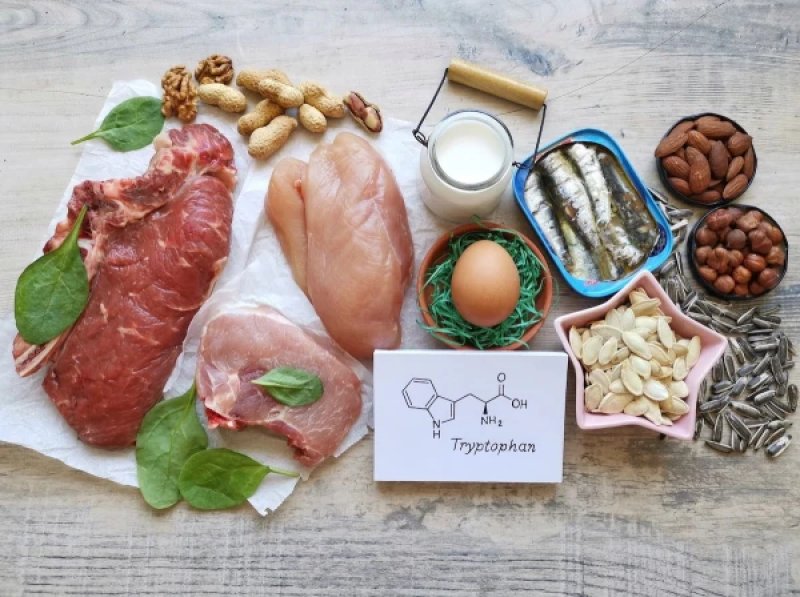
Tryptophan is an essential amino acid that the body cannot produce on its own. It can only be obtained through food. It is necessary for protein synthesis as well as for the production of serotonin, a neurotransmitter often referred to as the "happiness hormone." Additionally, tryptophan is involved in the formation of melatonin, which is responsible for healthy sleep. Experts note that an adequate amount of this amino acid helps maintain emotional balance, reduces anxiety, supports the normal functioning of the immune system, and participates in regulating eating behavior. Studies also show that tryptophan plays an important role in the so-called "gut-brain axis," influencing mood and cognitive functions. ### How Tryptophan Helps Control Appetite When there is a deficiency of tryptophan, the body begins to crave protein-rich foods more intensely. At the same time, mood may worsen, irritability may increase, and stress levels may rise. As a result, it becomes more difficult for a person to control their appetite, leading to cravings for sweets and other calorie-dense foods. Protein-rich foods high in tryptophan provide good satiety and help maintain a feeling of fullness for longer, which is especially important for those who are watching their weight. ### Where Tryptophan is Found **Poultry** Chicken and turkey are considered some of the best sources of tryptophan. In 100 grams of meat, there is nearly a daily requirement of this amino acid. Turkey, in particular, is lower in calories. **Beef, Lamb, and Pork** Red meat is also rich in tryptophan, protein, iron, and B vitamins. Lean cuts of meat, prepared without a lot of fat, are especially beneficial. **Nuts** Hazelnuts, almonds, and walnuts contain a large amount of tryptophan, as well as healthy fats and fiber. They help maintain a feeling of fullness for a long time and can be a healthy snack. **Oatmeal** Oatmeal is rich not only in fiber but also in tryptophan. After cooking, a significant portion of the amino acid remains. Adding berries and nuts can make the porridge even healthier. **Hard Cheese** Parmesan, Dutch cheese, and other hard cheeses contain a large amount of tryptophan, as well as calcium, phosphorus, and protein. **Seaweed** Kelp and other sea plants provide the body with not only iodine but also tryptophan, while remaining a low-calorie food. **Dark Chocolate** Dark chocolate with at least 75% cocoa content also contains tryptophan. In moderation, it helps combat fatigue and improves mood. **Seeds** Sunflower, sesame, and pumpkin seeds are good sources of tryptophan, as well as magnesium, zinc, and other important minerals. ### How Much Tryptophan is Needed On average, it is recommended that an adult obtain about **250 mg of tryptophan per day**. With a varied diet, it is quite possible to meet this requirement without special supplements. Tryptophan plays an important role in the functioning of the nervous system, helps maintain a good mood, healthy sleep, and normal appetite. To prevent the body from experiencing a deficiency of this amino acid, it is sufficient to regularly include meat, fish, dairy products, nuts, seeds, whole grains, and other protein-rich foods in the diet.