

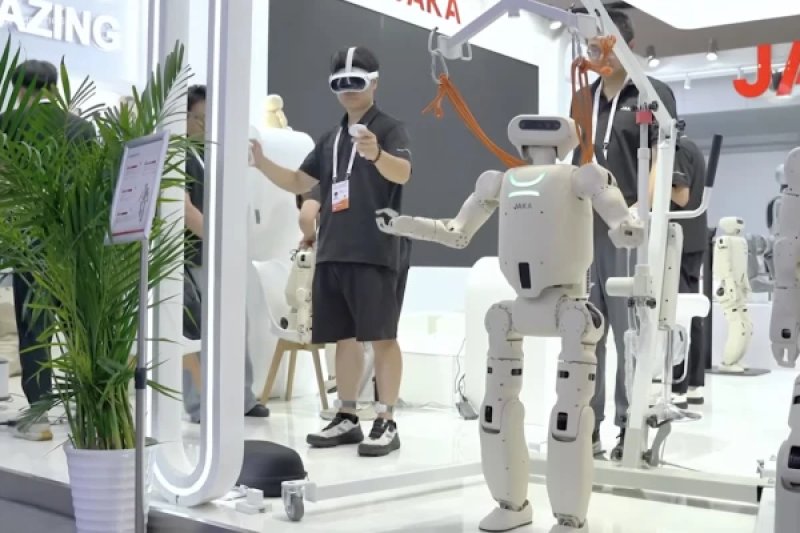
U.S. authorities have banned the import of humanoid and quadrupedal robots produced abroad, citing national security concerns. The Federal Communications Commission (FCC) announced the new decision. The restrictions apply to so-called mobile robots — devices capable of moving on two or four legs, mimicking the gait of humans or animals. In fact, this refers to a new category of products that has been included in the list of goods considered a potential threat to the country's security for the first time. Previously, some types of drones, as well as Chinese companies Huawei and China Telecom, had already been added to this list. The basis for the ban was a report from a special working group of the White House. It states that robots produced abroad may pose cybersecurity risks and represent a potential threat to critical infrastructure and public safety. However, the ban does not apply to robots that are already in operation or were previously imported into the U.S. The restrictions only concern new shipments. The U.S. Department of Defense and the Department of Homeland Security will be able to make exceptions in certain cases. Today, most humanoid robots are used not in households but in industrial enterprises — for example, in automobile factories and warehouse complexes, where they perform repetitive or physically demanding tasks. At the same time, the FCC expanded the list of prohibited products to include some foreign-made inverters — devices that convert direct current, obtained from batteries or solar panels, into alternating current for the power grid. The new restrictions are part of the Trump administration's course to support domestic production and reduce the U.S. dependence on foreign high-tech goods. The decision will not affect robots already in use in the country, but it may impact future supplies of foreign robotics to the American market.