

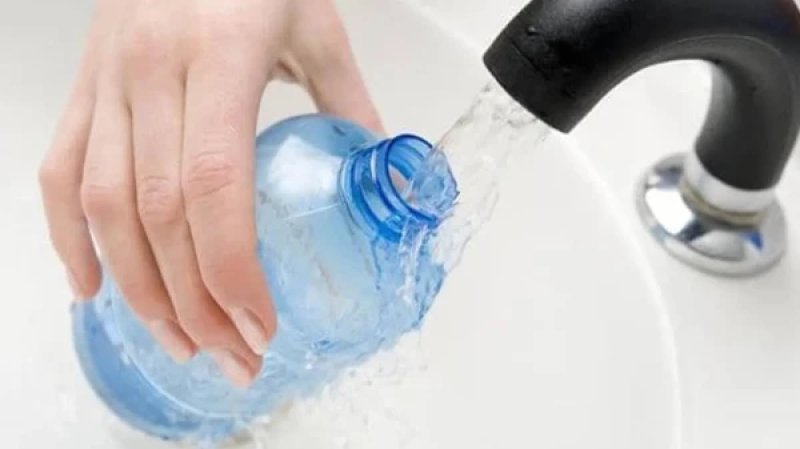
In hot weather, it is important to drink enough water, and many people continue to reuse a purchased bottle. However, single-use plastic bottles are not designed for prolonged use. The main issue is microcracks that appear in the plastic after just a few uses. They become an ideal environment for the growth of bacteria, including those capable of causing intestinal infections. This is confirmed by research. In one study published in the Canadian journal *Public Health*, scientists examined 76 bottles used by schoolchildren. In two-thirds of the samples, the level of bacteria was found to be above the permissible limits for drinking water. Researchers attribute this to storing the bottles at room temperature and their repeated use. Another study showed that after just one week of reuse, the number of bacteria significantly increases at the neck of the bottles. According to specialists, simply rinsing or even washing with detergent does not guarantee complete cleanliness. Due to the narrow neck, it is practically impossible to thoroughly clean the inner surface, and any remaining microorganisms quickly begin to multiply again. Moreover, frequent washing, especially with hot water, damages the plastic. Pharmacology professor Scott Belcher warns that heating can contribute to the leaching of chemicals from the plastic into the water. The consequences of consuming water from a contaminated bottle can resemble food poisoning: nausea, vomiting, diarrhea, and abdominal pain. Experts recommend not to reuse single-use plastic bottles. For daily drinking, it is better to choose a reusable container made of glass or stainless steel — it is safer, more durable, and easier to clean thoroughly.