

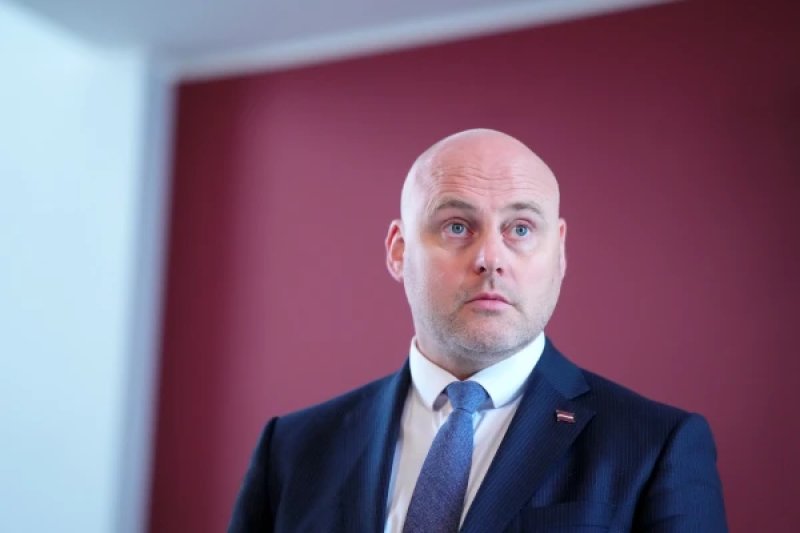
Prime Minister Andris Kulbergs stated in an interview on the program "900 Seconds" ([TV3](https://tv3.lv/zinas/latvija/satiksme/kulbergs-ja-rail-baltica-projekta-nekas-nemainisies-izmaksas-no-7-miljardiem-pieaugs-lidz-24/)) that the Rail Baltica project needs a serious reconsideration. According to him, the existing management model and a number of technical solutions make the project too expensive and unsustainable. In the coming weeks, the government is expected to receive a full report from independent international experts. As the Prime Minister noted, the assessment was prepared by specialists from the railway industry who had not previously participated in the Rail Baltica project and were not connected to its contractors. According to Kulbergs, the experts studied the implementation experience of similar projects in other European countries and prepared proposals for changing the management system, reducing construction costs, and further developing the railway. The Prime Minister noted that the preliminary conclusions of the consultants largely coincide with the findings of the Saeima parliamentary commission, which had previously investigated the progress of the project. According to the experts' assessment, if nothing changes, the construction of Rail Baltica in Latvia may only be completed by 2045, and the total cost of the project will rise to 24 billion euros instead of the previously mentioned 7–10 billion euros. One of the key recommendations was to change the project management system and reconsider the current approach to constructing the main railway line. At the same time, Kulbergs stated that the funding issue remains common for all Baltic countries. "All countries have a financial gap. We will have to finance it ourselves, but it is unrealistic to shift all costs onto taxpayers," the Prime Minister said. He also expressed doubt that the necessary funds could be found solely from state budgets, especially in the context of rising defense spending and other priority areas. Another topic for discussion may be the technical parameters of the railway. According to Kulbergs, the design speed of trains up to 249 km/h significantly increases construction costs. "Are our ten minutes worth us just overpaying billions?" the Prime Minister questioned. Rail Baltica remains one of the largest infrastructure projects in the Baltic countries. The European gauge railway line is intended to connect Latvia, Lithuania, and Estonia with the European railway network; however, in recent years, the project has faced repeated criticism due to delays, rising costs, and a lack of funding. The government hopes that the conclusions of independent experts will help reconsider the project and avoid further cost increases.