

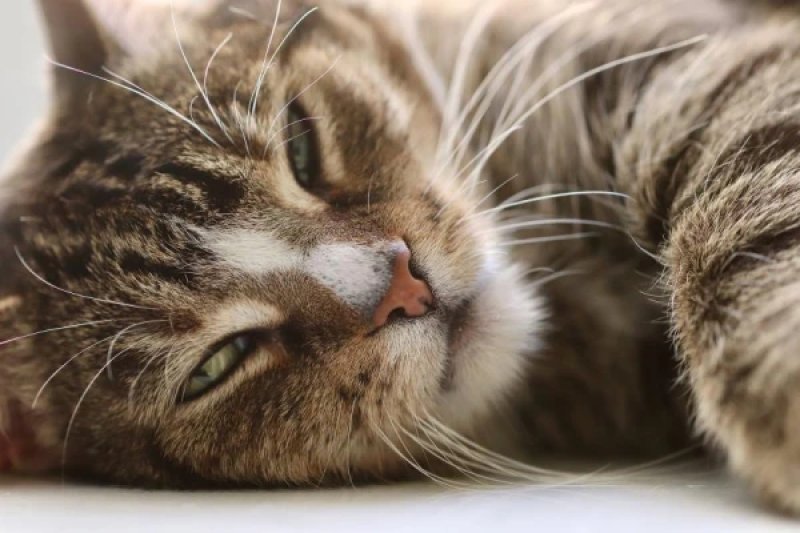
If a cat has just arrived in your home, give it time to adjust to its new family. For a relationship based on love to develop, the pet must fully trust the person.If your pet has been with you for a long time, pay attention to the following signs that may indicate its affection and attachment:PurringIf a cat purrs when you pet it, it means that it feels safe and trusts you. However, cats can also purr in other situations, such as when they are sick or asking for food. Some people even meditate to the sound of purring — an interesting practice worth trying!Comes to InteractCats tend to stay away from those they fear or dislike. If your pet greets you when you come home from work and comes over to interact, it is a sign of complete trust.Jumps on Your LapCats show their love when they sit on their owners' laps, especially if you are busy with important tasks or working at a desk. This is an indirect sign, as not all cats do this.Shows Its BellyShowing the belly is a sign of complete trust, as it is the most vulnerable area of the animal. Some cats may allow you to scratch their belly, but be careful — most may bite or scratch.Nuzzles and Rubs Its HeadCats have special glands on their heads, the scent of which is undetectable to humans. If your pet rubs its head against you, it may mean that it is marking you as a member of its group.Slowly Opens and Closes Its EyesWhen a cat looks at you and slowly closes and opens its eyes, it indicates that it loves you and enjoys being near you. Try doing the same — your pet may respond in kind. This method helps establish contact in the early days of acquaintance.Paws at YouPawing is an innate instinct. Blind kittens knead their mother's belly to stimulate lactation. If your pet does this to you, it is as if it is saying, “You are my mom.” As they grow older, this ritual remains and expresses deep love and trust.Grooms Your Hands or FaceGrooming each other in a cat family is a sign of affection. A mother cat, by grooming her kittens, establishes a strong emotional bond with them. Some specialists suggest that adult cats associate grooming with maternal care, and in response, they do the same, just with their tongues.