

 Foto: BB.LV / Инфекции из-за жары
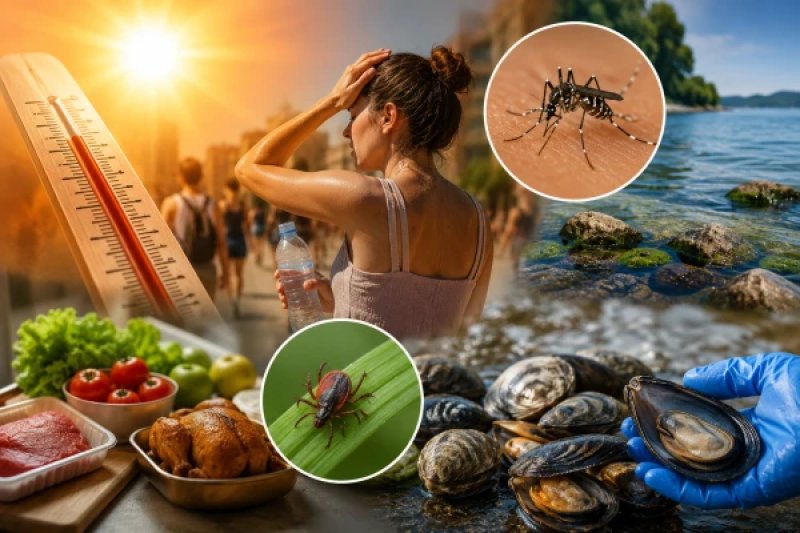
### High temperatures change the situation According to ECDC, the danger comes not only from extreme heatwaves but also from the persistent rise in average temperatures observed in recent years, [reports](https://ru.euronews.com/health/2026/07/30/europes-heatwaves-are-increasing-the-spread-of-infectious-diseases-a-health-agency-warns) Euronews. Experts note that warmer and longer summers contribute to the spread of bacteria, viruses, and vectors of infections. Therefore, the agency believes that close cooperation between health services, environmental agencies, and veterinary services is necessary. ### Foodborne infections become more dangerous One of the main summer threats remains foodborne illnesses. High temperatures significantly accelerate the multiplication of bacteria in food. The World Health Organization reminds that contaminated food can look, smell, and taste completely normal. To reduce the risk of infection, specialists recommend: * thoroughly washing vegetables and fruits; * storing food at safe temperatures; * separating raw and cooked products; * cooking meat, fish, and other products thoroughly. ### The Baltic Sea becomes a favorable environment for dangerous bacteria Another growing problem identified by specialists is bacteria of the **Vibrio** genus, which cause vibriosis. These microorganisms thrive in warm, brackish water. Infection can occur while swimming with open wounds or by consuming contaminated seafood. Although the disease is still relatively rare, the number of cases is gradually increasing in the Baltic region, especially after prolonged periods of hot weather and warming of the sea water. To reduce the risk of infection, doctors recommend not swimming with open wounds and thoroughly cooking seafood. ### Mosquitoes are becoming more numerous Due to warming, invasive mosquito species are spreading to regions of Europe where they were previously rarely found. This increases the risk of infection with diseases such as: * dengue fever; * chikungunya; * West Nile fever. According to WHO, this year, cases of West Nile virus infection have already been reported in Greece, Italy, North Macedonia, Romania, and Spain. For protection, specialists recommend using repellents, wearing closed clothing, installing mosquito nets, and preventing the accumulation of standing water near homes, where mosquitoes breed actively. ### Ticks also pose a serious threat With the onset of warm weather, tick activity also increases. They can carry dangerous infections, including tick-borne encephalitis and Lyme disease, which can lead to severe complications. According to ECDC, around three thousand cases of tick-borne encephalitis are reported annually in Europe. Vaccination remains the most effective protection. Additionally, after walks in the forest or park, specialists advise carefully inspecting the body and removing any attached ticks as soon as possible. European experts warn that climate change is already affecting not only the weather but also the spread of dangerous infections. Heat promotes the multiplication of bacteria, increases the number of mosquitoes and ticks, and creates favorable conditions for new threats to emerge, including in the Baltic region. Medical professionals urge adherence to basic preventive measures and careful attention to health during the summer period.
