

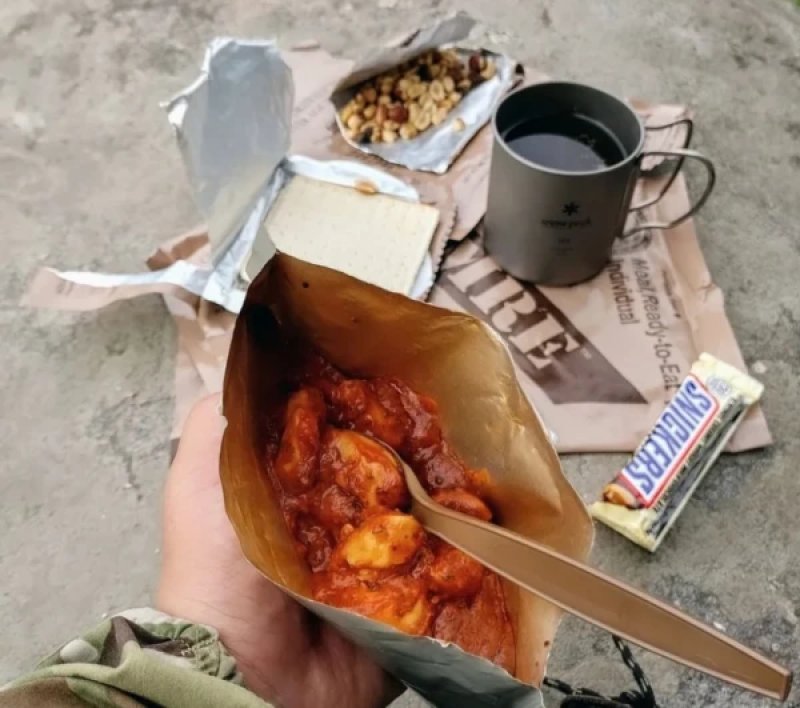
In case of war with Russia and Belarus, the authorities of Latvia are developing plans for the mass relocation of the population from threatened areas — according to various estimates, this involves more than 600,000 people. As previously reported by the media, residents of Latgale are expected to be moved to Kurzeme, as well as abroad — to the Nordic countries and Poland, through specially coordinated corridors. Latvia, along with 9 other countries of the North Atlantic Alliance, is developing a unified system for cross-border evacuation. But what is on the way? At a government meeting on July 28, Minister of Welfare Rainis Uzulnieks (Union of Greens and Farmers) reported. ## We Have a Reliable Possessor For those who do not know, under this name, a state SIA operates in Latvia, managing public assets. It works tirelessly — as it is responsible for shares in enterprises (for example, Tet); the sale of excess state movable and immovable property; transactions with remaining privatization certificates; reserves of petroleum products for the same crisis period. The head of this enterprise, Andris Gadmanis, declared an income of 88,279.77 EUR for 2025. Now this office will also take care of the food supply for potential resettlers. SIA Possessor, the Ministry of Welfare reports, has the resources to purchase food for state reserves through procurement; appropriate storage and transportation. Other civil structures will also be involved — the Ministry of Economics, the Ministry of Agriculture. As well as local food industry enterprises that are classified as "critical infrastructure category D." The department of R. Uzulnieks notes: "Given the changing geopolitical situation and the experience of other states in crisis supply, it is necessary to diversify food supply mechanisms in crisis situations as much as possible to ensure a more realistic approach to providing the population with food in crisis situations, depending on the degree, scale, and duration of the possible threat to the state. The timely creation of food reserves would help reduce pressure on the food supply chain when a crisis situation arises." It is characteristic that even in such a situation, the Ministry of Welfare recommends prioritizing Latvian products! ## Do Not Count on the Bag But the responsibility of ordinary citizens has not been canceled. Official recommendations for packing a "72-hour bag" are developed and updated by the Ministry of Defense of Latvia in conjunction with the National Armed Forces. The main criterion for food in such a bag is a high calorie level, minimal weight, long shelf life, and no need to cook or prepare the dish. - Canned goods: meat, fish, or vegetable, which can be opened without a can opener (with a key on the lid) or have a multitool with you. - Dry carbohydrates and snacks: crackers, dry bread, crisps, or lavash, which do not spoil quickly unlike regular fresh bread. - High-calorie products: nuts, dried fruits, seeds, energy or protein bars, as well as chocolate and halva. - Energy sources: hard cheese in vacuum packaging or salted lard (source of quick and long-lasting fats). - Instant soups and cereals: those that can be prepared just by pouring hot water (if planning to take a compact camping stove). - Beverages: packaged tea, instant coffee, or portioned sugar. - Water: the most important item — at least 3 liters of drinking water per person per day, as well as water disinfection tablets or a compact filter. … The last item of life support is quite problematic. Based on such standards, a family of 3 will have to carry 27 liters of water for 72 hours. After all, no one said that evacuees would be allowed to use personal transport — NATO troop columns will occupy all roads in case of war. ## We Won't Go Hungry The Ministry of Welfare promises that it will ensure a diverse food supply, calling on the storage capacities of the North Atlantic Alliance: "The list of food products is supplemented with items such as eggs, cheese, butter, which can be stored longer under certain conditions and at the same time are easy and quick to prepare. Moreover, since it may be difficult to prepare hot meals in emergency situations during potential crises, the list of food products is also supplemented with ready-made meals and their preparations, for example, packages of ready-to-eat meals (Meals Ready to Eat, or MRE), freeze-dried food that is easy to prepare and has a significantly longer shelf life (for example, the shelf life of a freeze-dried meal is at least seven years). The inclusion of these products would allow for a more rapid response in situations where it is impossible to prepare a hot meal, for example, when evacuated people are on the move and have not yet reached the designated destination." According to the Alliance standard STANAG 2937 and specifications (for example, American MREs or daily European rations), nutritional requirements are adapted for high physical loads. The composition depends on the specific producing country (USA, France, UK, Germany, etc.), but the basic set of one meal (mono-ration, like a classic American MRE) or daily set contains: main dish (Entree): ready-to-eat meat, poultry, fish, or pasta with sauce; bread component: crackers, biscuits, or soft bread; snack and spread: peanut butter, processed cheese, jam, or fruit preserves; dessert: cookies, cake, granola bar, or chocolate. Beverages: instant coffee, tea, cocoa, or isotonic/energy powder drink. Accessories: flameless ration heater (FRH), spoon, wet wipes, salt, pepper, sugar, and chewing gum. Freeze-drying is a method of gentle preservation. The product is first deep-frozen and then placed in a vacuum chamber where ice evaporates without passing through the liquid phase. This allows for the preservation of the original shape, structure, vitamins, and beneficial properties at 95-97%. ## 120 g of Bread per Day, but That's Not All In the appendix to the Cabinet of Ministers Regulations on the resource tapportals.gov.lv, there is also a description of what the state is obliged to provide to evacuees. Here is the daily norm: cereal flakes, flour, grains, pasta — 200-300 g, meat or fish canned goods — 170-250 g, bread — 100-120 g, crackers and biscuits — 60 g, egg — 1, egg powder, milk powder, peas or legumes — 20 g, oil or other fats — 20-30 g, cheese — 50 g, drinking water — 3 l in winter and 4 l in summer, ready meals or semi-finished products — 4 times, baby food — 200 g. It doesn't seem particularly luxurious, but... What sacrifices will Latvians not make for their Homeland!