

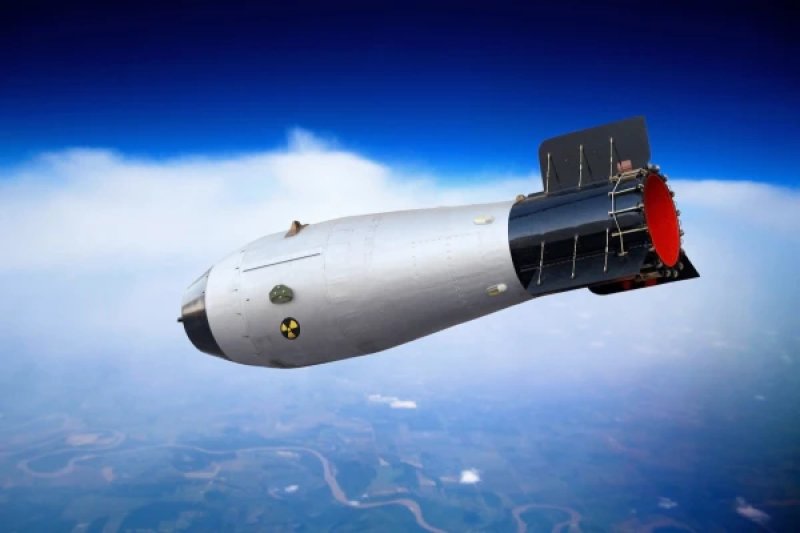
The North Atlantic Alliance is discussing the possible expansion of its nuclear deterrence system in Europe. According to the dpa agency, in the event of further deterioration in the security situation, American non-strategic nuclear weapons could be deployed in Poland, Finland, and Lithuania, writes [DW](https://www.dw.com/ru/nato-rassmatrivaet-dopolnitelnoe-razmesenie-ao-v-evrope/a-78199049). These are munitions intended for striking military targets — troops, airfields, ports, command posts, and other infrastructure. Unlike strategic nuclear weapons, such munitions have lower yield and can be delivered to their targets by combat aircraft or cruise missiles. Earlier, NATO Secretary General Mark Rutte, in an interview with dpa, did not rule out the possibility of deploying additional units of American nuclear weapons in Europe. However, he declined to disclose details of the discussions. "We must ensure that no one can strike us with a nuclear attack without facing our response," Rutte stated. After the Cold War, the United States significantly reduced its nuclear arsenal in Europe. According to dpa, currently, as part of the Nuclear Sharing program, about 100 American B61-12 bombs are stationed at six air bases in five NATO countries — Germany, Belgium, Italy, the Netherlands, and Turkey. In recent months, the issue of expanding the nuclear deterrence system has been discussed more actively. Lithuanian President Gitanas Nausėda previously stated that Vilnius is ready to join this system, although he emphasized that there are currently no plans to deploy nuclear weapons on the territory of the country in peacetime. At the same time, Finland has changed its national legislation. At the end of June, the country's parliament approved amendments to the Atomic Energy Act, lifting the ban on the import and deployment of nuclear weapons. The new regulations came into effect on July 1. So far, NATO has not officially announced any decisions. According to dpa, these are options that could only be implemented in the event of further escalation of the security situation in Europe. At this point, the expansion of NATO's nuclear presence remains a topic of discussion, but changes in legislation in certain countries and statements from alliance representatives indicate preparations for various scenarios of the situation's development.