

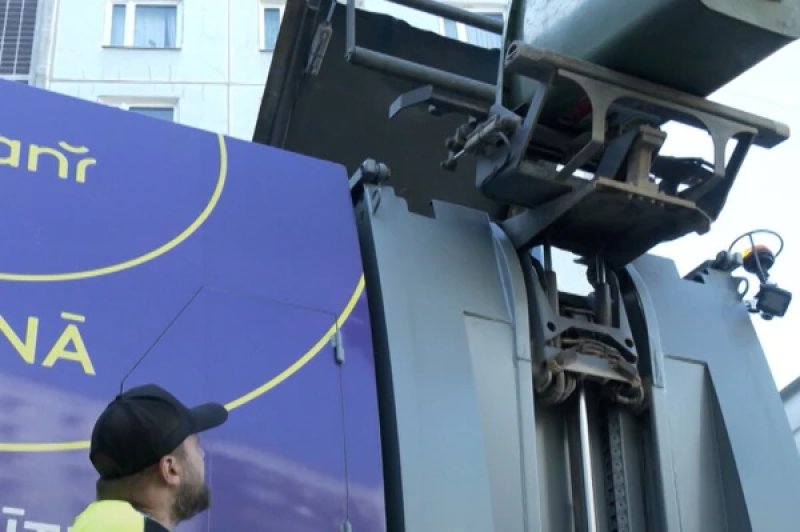
Testing of a new type of garbage truck has begun in Riga, capable of transporting two different types of waste simultaneously. This technology can replace two vehicles at once, reducing the number of trips, lowering fuel consumption, and decreasing the load on city streets, reports the program "900 Seconds" ([TV3](https://tv3.lv/dzivesstils/darzs-un-maja/viena-masina-divu-vieta-riga-izmegina-jaunus-atkritumu-savaksanas-spekratus/)). The main feature of the new vehicle is two separate cargo compartments. One of them carries household waste, while the other carries recyclables, such as glass. The waste remains completely separated. "This truck can transport two fractions, and they will not mix under any circumstances," said Anatoly, the driver of the new garbage truck. As explained by resource planning and logistics specialist at CleanR, Anatoly Kurlovich, the rear compartment is used for household waste this time. "At the back, we see a compartment where household waste or another fraction can be loaded," he noted. The second container, located closer to the driver's cabin, is intended for glass. This allows one truck to perform the work that previously required two separate trips. "There will be no need to send a separate truck specifically through the streets of Plavnieki, and the entire area will be cleaned significantly faster," Kurlovich said. Currently, CleanR has only one such vehicle at its disposal. Similar technology is being tested by other waste collection companies as well. However, the new trucks will not be able to completely replace the existing fleet. According to the company's operational director, Liene Rumpane, even with successful testing, they will make up no more than one-fifth of the fleet. The company plans to use such garbage trucks primarily in rural areas and in specific city districts. One of the first places in Riga where new vehicles may regularly appear is the Old Town. In addition, testing is currently underway for other specialized equipment for the collection of bio-waste. These trucks use a rotary press to process organic waste directly in the body into a mass resembling peat, while simultaneously collecting the liquid produced to prevent it from leaking onto the road. Latvian municipalities are gradually expanding the system of separate waste collection. The introduction of specialized equipment should make this process more efficient and simultaneously reduce the number of garbage truck trips. If the tests are successful, the new garbage trucks will help make waste collection faster, more economical, and less noticeable for residents.
