

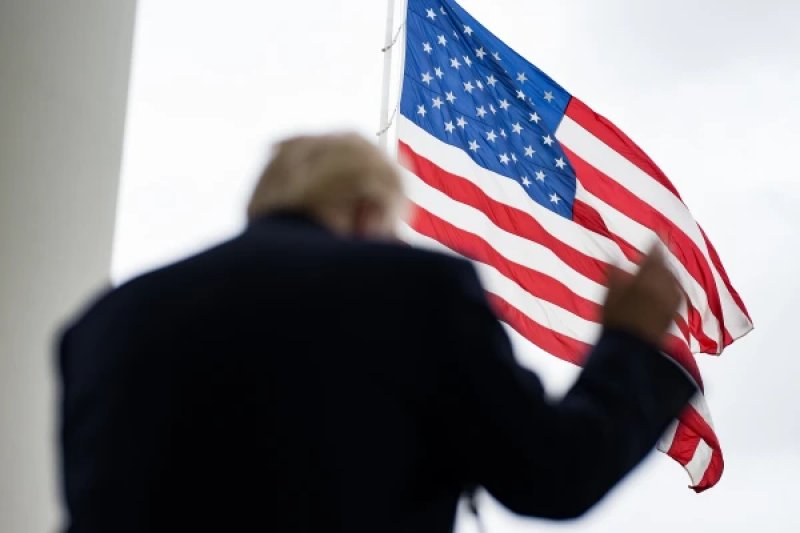
Twenty-five U.S. states have filed a lawsuit in the U.S. Court of International Trade in New York, challenging the new import tariffs imposed by President Donald Trump's administration. The new tariffs, ranging from 10% to 12.5%, were introduced on 59 countries and the European Union. The White House stated that these countries are not effectively preventing the import of goods produced using forced labor. The lawsuit was filed by Arizona, Hawaii, Delaware, Illinois, California, Kentucky, Colorado, Connecticut, Massachusetts, Maine, Maryland, Michigan, Minnesota, New York, New Jersey, New Mexico, Oregon, Pennsylvania, Rhode Island, Virginia, Washington, Wisconsin, North Carolina, as well as Nevada and Vermont. Most of these states are led by Democratic governors, with the exception of Nevada and Vermont, where Republicans are in power. This is not the first legal attempt to challenge Trump's tariff policy. Previously, the U.S. Supreme Court concluded that the International Emergency Economic Powers Act of 1977 does not grant the president the authority to unilaterally impose such large-scale import tariffs. Following this, the government had to refund previously collected customs duties to importers. After the court's decision, the Trump administration temporarily imposed a universal 10% tariff on imports, but its validity expired on July 24. The new tariffs have been introduced based on a different law—the Section 301 of the Trade Act of 1974. This allows for the application of import tariffs and other restrictions on countries that, in the opinion of U.S. authorities, engage in unfair trade practices. Trump relied on this mechanism during his first presidential term when he imposed increased tariffs on Chinese goods. At that time, attempts to have them lifted through the courts were unsuccessful. In addition to state authorities, representatives of American small businesses have already challenged the new import tariffs in court. This indicates that legal disputes surrounding the tariff policy of the Trump administration are likely to continue in the coming months.