

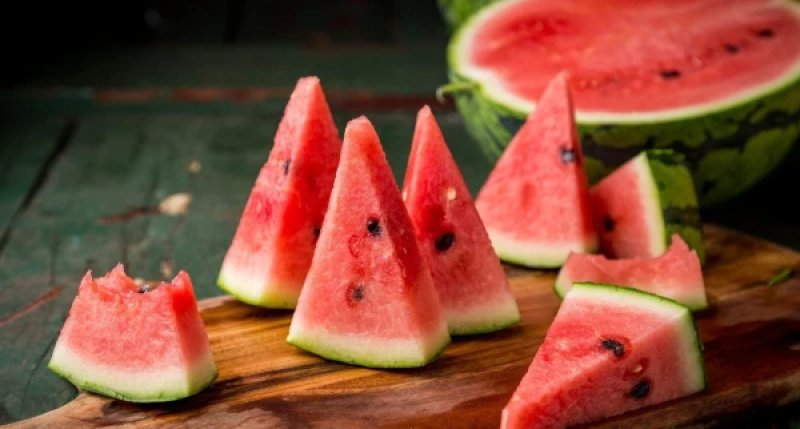
To conduct the test, simply drop a small piece of pulp into a glass of warm water. If the water only slightly clouds, there is no cause for concern. However, if it quickly turns a deep pink color, this may indicate a high nitrate content. According to specialists, overly large watermelons—weighing more than 10–12 kilograms—are often grown using a large amount of nitrogen fertilizers. Such fruits gain weight more quickly but may contain more nitrates, which convert to nitrites in the body. This can cause poisoning, accompanied by nausea, headaches, weakness, and impaired oxygen delivery to tissues. Experts recommend choosing watermelons of medium size—around 5–8 kilograms—and using the home water test as an additional method of checking before serving the fruit.