

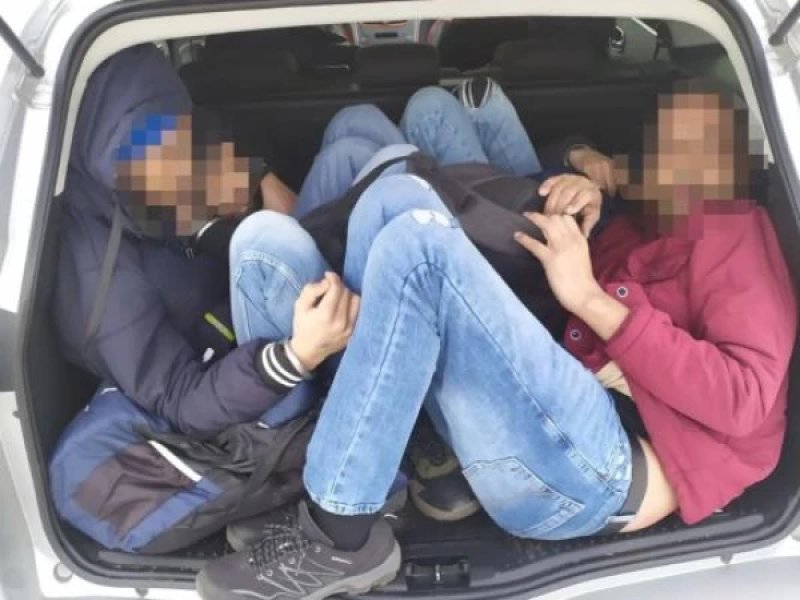
Migrants from Somalia, Morocco, Ethiopia, and Eritrea arrived in Estonia over the past few months, having previously illegally entered Latvia from Belarus. On Wednesday, August 12, four men and one woman were handed over to the Latvian side. On Thursday, August 13, six more men were returned to Latvia. According to the migrants, their goal was to pass through Estonia to other Schengen countries. Indrek Aaru, head of the border guard bureau of the Põhja Prefecture, stated that the return of illegally arrived foreigners is always preceded by thorough work both in Estonia and Latvia. "To expel an illegally arrived foreigner, it is necessary to establish their identity, ascertain their origin, as well as their true intentions in Estonia and the Schengen area," he noted. "The authenticity of the statements of illegal migrants should be checked particularly carefully, and the potential threat to national security and public order should be assessed," added the head of the border guard bureau. Conversations with foreigners require translation from languages that are quite exotic for Estonia, which makes them time-consuming and incurs significant costs. Aaru noted that the Police and Border Guard Department coordinates expulsions with the Latvian border guard, which is currently under heavy workload. "While in Estonia we have felt an increase in pressure from illegal immigration over the past three weeks, Latvia, Lithuania, and Poland have been dealing with several times greater migration pressure for five years. These countries have done a very good job," said the head of the border guard bureau of the Põhja Prefecture. Since 1995, there has been an agreement between Estonia, Latvia, and Lithuania regulating the readmission of persons illegally residing in the country. Under this agreement, foreigners who illegally entered Estonia from its territory can be returned to Latvia.
