

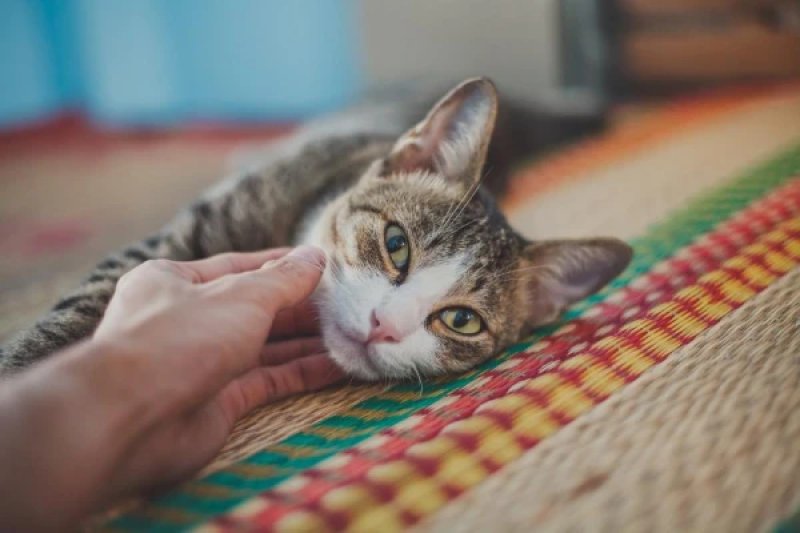
Research shows that many cat lovers exhibit unwanted affection towards their pets. People who consider themselves experienced cat owners may overly love their pets or express that love in less than ideal ways. Such owners often pet animals in places where they feel uncomfortable and provide cats with less freedom of choice. Every cat is unique, and many have their own preferences for interacting with humans. However, there are general principles that can help ensure comfort and meet the needs of each cat, — quotes animal behavior and welfare researcher Lauren Fink in Science Alert. The study involved about 120 people, each of whom was given five minutes to interact with unfamiliar shelter cats. Before the experiment, each participant filled out a questionnaire assessing their experience and skills in interacting with cats. Participants were advised to let the cats come to them rather than following the animals. They were also encouraged to interact with the cats as they usually do with their own pets. It turned out that those who rated themselves as the most experienced in handling cats most often petted the animals in places where cats typically do not like, such as at the base of the tail, on the legs, back, and belly. Generally, cats prefer to be petted behind the ears, on the cheeks, and under the chin. Additionally, participants who had many cats at home were less likely to provide the animals with the necessary freedom. Older and more neurotic cat owners tended to hold the cats more, while extroverts more frequently initiated contact and petted cats in less preferred areas. Participants with less experience interacting with cats were found to be more sensitive to the animals' desires. The researchers noted that people without experience in interacting with cats can be just as good owners as those with many years of experience. Shelters should avoid discriminating against potential owners who lack experience with cats, as with the right support, they can become excellent guardians, — added Fink.
