

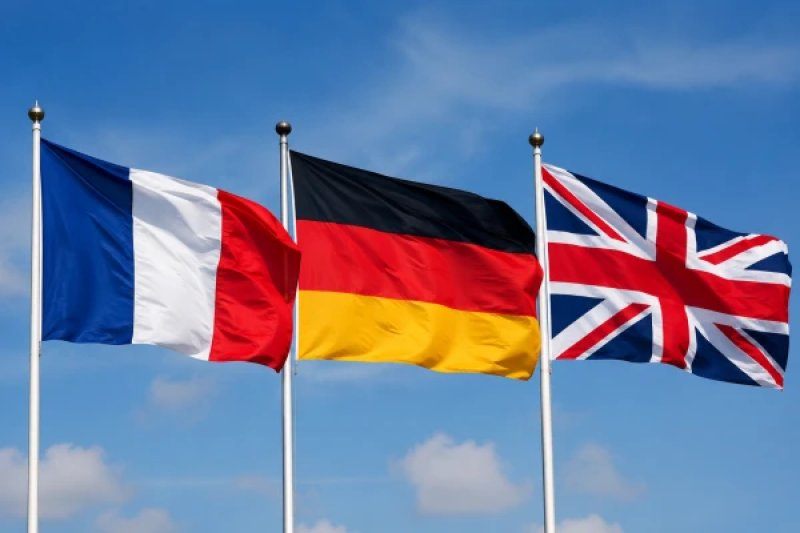
The New York Times reports this, citing five European officials. According to the publication, diplomats from several countries are currently working on coordinating a common position and a possible format for future negotiations. One of the main concerns of European politicians is that U.S. President Donald Trump may prefer to negotiate directly with Moscow. In such a case, European countries risk being sidelined from discussions on decisions that directly affect the security of the continent. France and Germany play a key role in shaping a common position, according to NYT. The United Kingdom is acting more cautiously, as London does not want to create additional tension in relations with the Trump administration. At the same time, European allies acknowledge that the leading role of the U.S. in potential negotiations with Russia remains necessary. Amid increasing Russian missile strikes on Ukraine, European diplomats advocate for the resumption of contacts between Washington and Moscow. However, the prospects for a quick diplomatic breakthrough in Europe are viewed skeptically. NYT sources claim that they currently see almost no signs of Russian President Vladimir Putin's readiness for serious negotiations. At the same time, European officials fear further escalation of hostilities, including a possible winter offensive by Russian troops and new strikes on Ukraine's civilian infrastructure. Additionally, some Western officials suggest that after the parliamentary elections in September, Russia may conduct a limited mobilization. Such a scenario, in their opinion, could lead to a new round of escalation. Thus, European capitals are striving to develop a common line in advance and to ensure direct participation in any potential peace process, so that key decisions regarding Ukraine and the future security system in Europe are not made without their involvement.
