

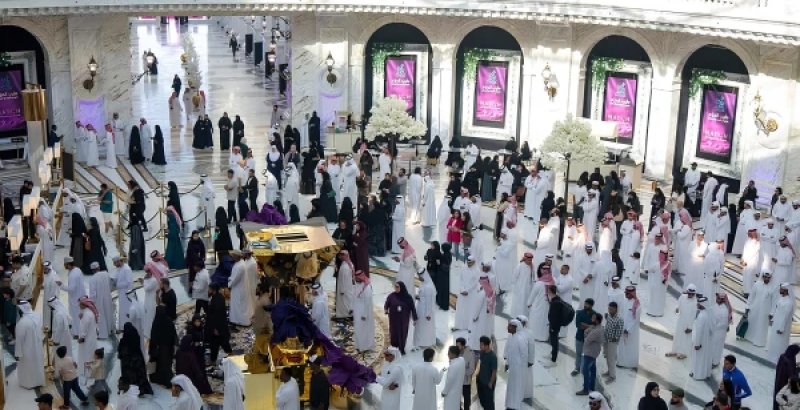
In the countries of the Persian Gulf, perfumes traditionally hold a special place. Here, fragrance is not just an element of luxury or an addition to one's image. The use of incense has been linked to daily habits, hospitality, and religious traditions for centuries. Particularly popular are oud, musk, rose, amber, and bakhoor — scented wood chips and mixtures that are burned in special incense burners, filling the room with a rich aroma. Oud, derived from the resinous wood of the agar tree, is considered one of the most valuable components of Eastern perfumery. The festival Teeb Al Hazm is dedicated to this culture and takes place twice a year in Doha. Perfume houses from all over the Middle East gather in one venue — from producers of traditional oud-based compositions to modern niche brands. At the same time, consumer tastes are gradually changing. Classic Eastern fragrances are not disappearing, but young perfume houses are increasingly combining traditional regional ingredients with modern trends in global perfumery. As a result, compositions are emerging that can attract customers far beyond Arab countries. The growing international interest in such fragrances has prompted the organizers of Teeb Al Hazm to expand the festival's geography. Mohamed Al-Emadi, head of Al Hazm Mall, told Euronews that the next major destination will be London. This will be the first appearance of Teeb Al Hazm in Europe. Previously, the organizers held the event in Abu Dhabi and are also preparing to present the project in Riyadh. The entry into the European market comes at a time when perfume brands from the Persian Gulf are receiving increasing attention from the international audience. Eastern compositions attract buyers with their richness, longevity, and unusual combinations for traditional European perfumery. The London debut of Teeb Al Hazm is expected to serve as a kind of test of how far this trend can spread. While oud and bakhoor were previously perceived in Europe mainly as exotic elements from the Middle East, the Arab perfumery tradition is gradually transforming into a distinct and noticeable direction in the global fragrance market.
