

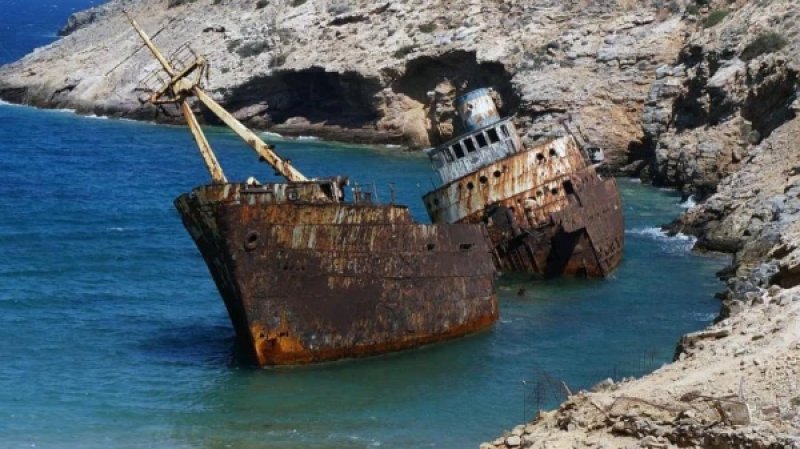
 Foto: BB.LV / остов корабля
Archaeologist and specialist of the National Heritage Administration Kaspars Markus Moll showed the program "900 sekundes" one of the recently listed state-protected monuments — a sunken vessel, particularly valuable for its ancient artillery ammunition. According to the specialist, finds with such a quantity of shells are extremely rare for the Baltic region, making this object significant not only for Latvia but also on an international level. Ancient items are occasionally found both off the Latvian coast and in the country's inland waters. However, there is a lack of specialists in underwater archaeology for their accounting and study. The most extensive research of the Baltic Sea has been conducted by Swedish scientists. They are aware of about 17,000 sunken ships, eight of which are under state protection. According to their estimates, around 100,000 shipwrecks may have occurred in the Baltic Sea overall, making it one of the richest seas in the world for such objects. According to Swedish calculations, there may be at least a thousand sunken ships in the Latvian part of the Baltic Sea. In practice, significantly fewer are known. Currently, about 200 ancient shipwrecks have been identified in the maritime waters of Latvia, with information on roughly the same number available, but full-scale studies have not yet been conducted. In the inland waters, ten sunken ancient settlements are known in lakes, as well as several settlements and burial sites from the Iron Age. About two weeks ago, underwater archaeological research was conducted for the first time in Latvia on Lake Indzers using full archaeological methodology. As part of a project by the Latvian Academy of Culture, various items approximately 1,500 years old were discovered underwater. They have preserved significantly better than similar finds on land. The International Day of Underwater Cultural Heritage is celebrated on August 21. On the same day, it will mark 25 years since the adoption of the international convention on the protection of underwater cultural heritage, which Latvia has not yet ratified. According to specialists, ratifying the convention could, among other things, open opportunities for attracting international funding for the study and preservation of underwater cultural heritage.
