

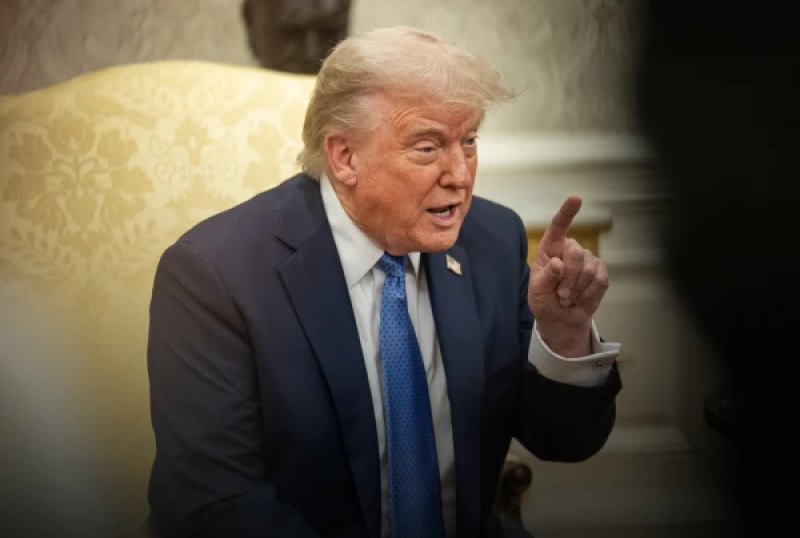
According to the Associated Press news agency, citing regional officials, the U.S. administration expressed strong disagreement with the provisions of the impending deal. Washington opposes the joint management of the transit route by Iran and Oman, as well as Muscat's agreement to charge fees from passing vessels. The U.S. believes that Oman has not negotiated firmly enough with Tehran. The White House fears that an agreement made without U.S. involvement will solidify Iranian influence over a key waterway through which a significant portion of global oil trade passes. Earlier, Donald Trump also posted a map on social media indicating that the Strait of Hormuz is designated as U.S. territory. For its part, the Iranian side stated that the strait will not be fully opened until Washington meets the conditions set forth. Iran's Deputy Foreign Minister Kazem Garibabadi criticized the American position, writing on X that "the misconception regarding the Strait of Hormuz will soon either be corrected, or we will correct this mistaken person's misconceptions." Meanwhile, the Egyptian Ministry of Foreign Affairs stated that the Iran-Oman agreement could potentially pave the way for the resumption of direct negotiations between Washington and Tehran on a comprehensive settlement; however, the U.S. president emphasized that no negotiations with Iran are currently planned.
