

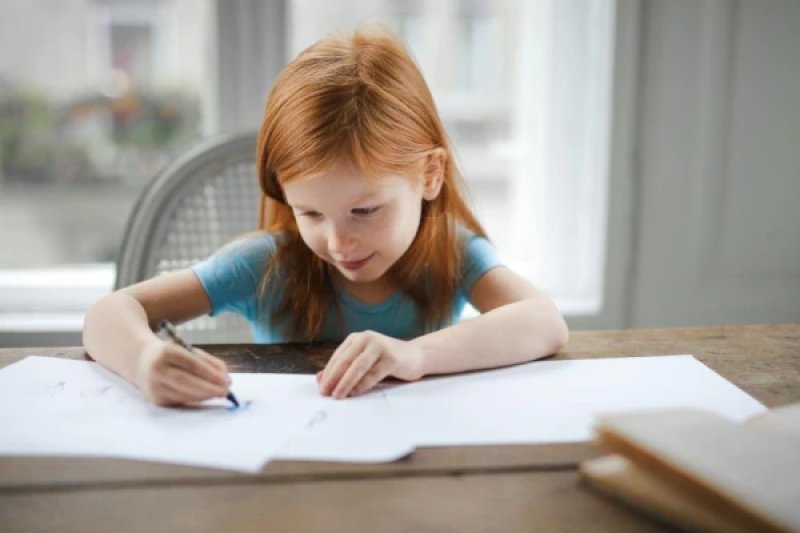
#1: Take Time for Rest Do not overload a fragile body with the desire to be everywhere: at swimming lessons, drawing classes, or a robotics club. Find a balance — if by evening the first grader is tired, a full night's sleep may not help. Fatigue accumulates unnoticed, so it is important to monitor the child's schedule and not forget about rest. Weekends are better spent on walks, meeting friends, or enjoying time outdoors or at the movies. #2: Keep Lessons Short Short lessons help avoid fatigue. This applies not only to school lessons but also to homework. Set a time limit for completing assignments, for example, 20 minutes for handwriting or math, followed by a 5-10 minute break. Such time frames motivate children as they understand how much time is needed to complete the task before resting. #3: Analyze Your Behavior Too Pay attention to teachers' comments. If the child shows aggression, does not want to communicate with other children, or is often in a depressed state, their behavior may reflect yours. Children learn by observing their parents, so it is worth reconsidering your behavior and how you perceive the world. #4: Show Respect for the Child's Personal Space Separation from parents is a natural part of growing up. The more independence, the more calmly it should be regarded. Do not impose your help in cleaning the room or backpack. Politely ask if they need help, and if not, praise the child for their independence. This will help them become more responsible. Do not forget about verbal boundaries — avoid criticism, especially in public. If something worries you, think about the reason and discuss it at home. #5: No Red Pen It is better to praise than to scold. In some schools, teachers avoid highlighting mistakes with a red pen, instead focusing on the positive aspects of the work. Use this approach so that criticism does not evoke negative emotions in the child. Help them find solutions while supporting them in the process. And the most important advice that did not make our list: remember your feelings on the first day of school. Show care and affection; they are very important for a child who is experiencing stress from changes in life.
