

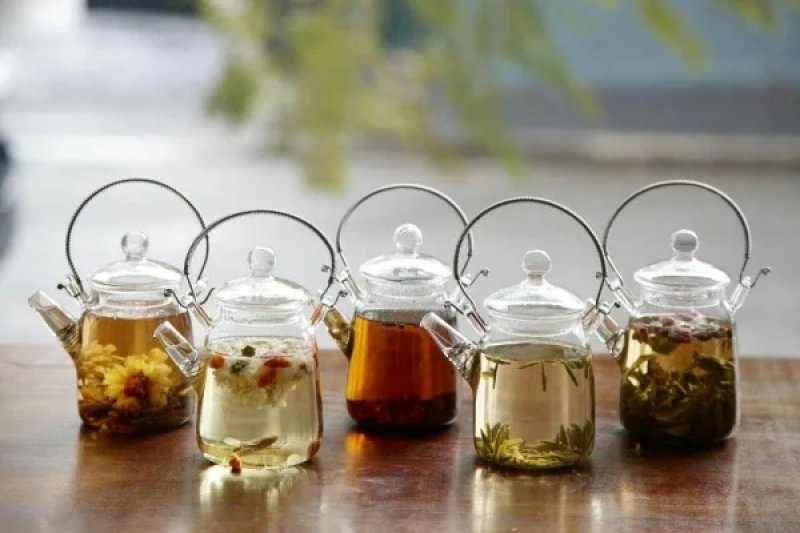
Black, green, and white tea come from the same plant — Camellia sinensis. The main difference lies in the processing of the leaves. However, hibiscus tea does not botanically belong to true tea: the drink is made from the calyces of hibiscus. ### White tea: light does not mean caffeine-free White tea undergoes minimal processing. It is usually made from young leaves and buds that are withered and then dried. Due to the light color of the drink, there is a common belief that it contains almost no caffeine. However, this is not always the case: its content depends on the variety, raw materials, and brewing method, and some white teas can contain quite a bit of caffeine. Therefore, for people sensitive to its effects, it is wiser to drink such tea in the first half of the day. At the same time, there is no convincing reason to consider white tea unequivocally healthier than green or black tea. All three varieties contain polyphenols and other biologically active substances. ### Green or black? Green tea is rich in polyphenols and catechins, among which EGCG is particularly well-known. Regular consumption of tea is associated in studies with favorable cardiovascular health indicators, but this does not mean that the drink itself guarantees disease prevention. Black tea undergoes oxidation, resulting in a somewhat different composition of polyphenols, particularly theaflavins. Therefore, the question of which tea is healthier — green or black — does not have a definitive answer. Both drinks can be part of a healthy diet, and the choice between them can be made based on taste, individual caffeine tolerance, and the time of day. ### What is better to drink in the morning? For the first half of the day, **black, green, or white tea** is suitable. All of them contain caffeine, so they can have a stimulating effect. However, the amount of caffeine is determined not only by the type of tea. It is influenced by the variety, the amount of leaves used, the water temperature, and the brewing time. ### Hibiscus — a good option for the evening Hibiscus tea is made from hibiscus, so it naturally contains no caffeine. This makes the drink a convenient option for those who want to have something hot in the evening without getting an extra dose of caffeine before bed.  Studies also show that consuming hibiscus tea may contribute to a moderate reduction in blood pressure in some people. However, it should not be regarded as a substitute for hypertension medications. ### Why tea should not be drunk immediately after a meal There is another aspect to keep in mind. The polyphenols in black and green tea can reduce the absorption of non-heme iron — the type primarily found in plant foods. This is particularly important for people with iron deficiency or an increased risk of developing it. In such cases, it is better not to combine tea with meals and to maintain an interval between them. There is no universal "healthiest" color of tea. In the morning, one can choose black, green, or white tea depending on taste and caffeine sensitivity, while in the evening, caffeine-free drinks — such as hibiscus — are preferable.
