

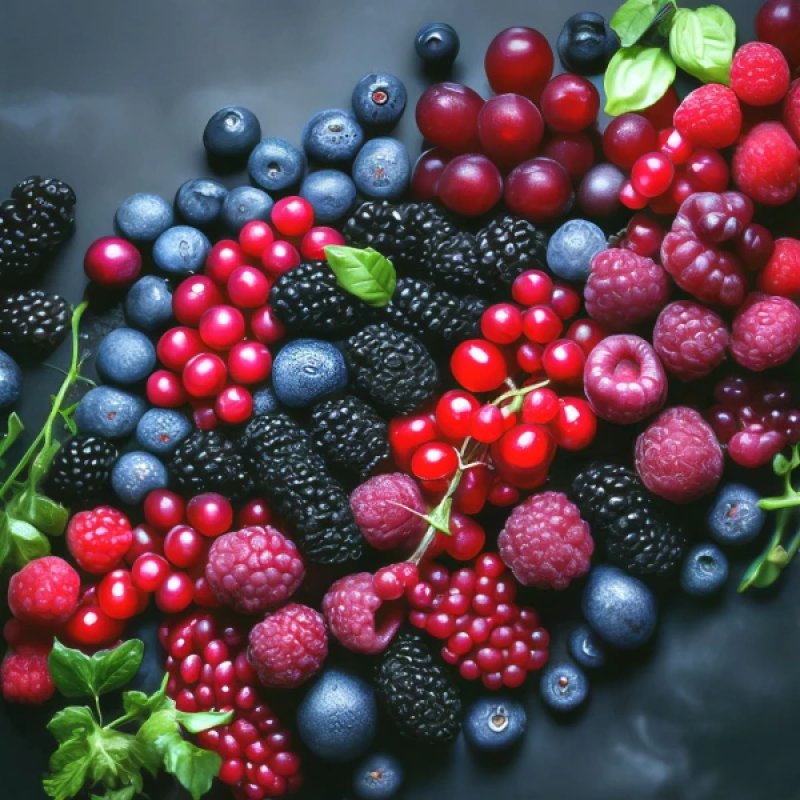
We discuss six fruits that are particularly rich in antioxidant compounds. ## 1. Purple and Dark Grapes Grapes of the Concord variety and other dark purple types contain especially high levels of antioxidants. A significant portion of these compounds is found in the skin, so it is better to eat grapes whole rather than peeling them. Fruits can be added to salads, cereals, and yogurt or used to make smoothies. 100% grape juice without added sugar is also suitable, but whole fruit remains the more preferred option due to its fiber content. However, grape jam and jelly should be consumed in moderation: they often contain a large amount of added sugar during processing. ## 2. Pomegranate Pomegranate is known for its high content of plant polyphenols, including anthocyanins and other phenolic compounds. The main part of the fruit that we eat is the juicy seeds. They are convenient to add to salads, cereals, yogurt, or simply eat as a snack. Pomegranate is interesting for its variety of plant compounds. However, it should not be viewed as a medicine or a means of preventing specific diseases: regular consumption of a variety of fruits and vegetables as part of a balanced diet is more important. ## 3. Cranberries Cranberries are characterized by their high content of antioxidant compounds, but they have one drawback — a very sour and tart taste. Therefore, many prefer to add fresh berries to dishes or combine them with sweeter fruits. For example, cranberries can be mixed with grapes, bananas, or dates. When choosing dried cranberries, it is important to pay attention to the ingredients: some products contain a significant amount of added sugar. ## 4. Blueberries Blueberries are one of the most well-known foods rich in antioxidants. Their dark blue color is associated with the presence of plant pigments, particularly anthocyanins. Berries are convenient to add to yogurt, cereals, cottage cheese, and smoothies. They can also be eaten on their own — a simple snack option without complicated preparation. Both fresh and frozen blueberries can be equally convenient ways to include berries in your diet. The key is not to limit yourself to one "superfood" but to alternate different products. ## 5. Blackberries and Raspberries These berries also have a high content of antioxidant compounds. Raspberries have a milder and sweeter taste, while blackberries are usually more tart. Both berries are great for breakfasts and snacks: they can be added to natural yogurt, oatmeal, cottage cheese, or fruit salads. In addition to antioxidants, berries are valuable for their fiber content, which is important for normal bowel function. ## 6. Papaya Papaya differs from most berries and fruits on the list not only in origin but also in composition. Its orange flesh contains carotenoids and other plant compounds, as well as vitamin C. Ripe papaya can be eaten on its own, added to fruit salads, yogurt, cereals, and smoothies. The flesh and seeds are usually consumed, while the skin is recommended to be cooked before consumption, as it can cause discomfort in some people when raw. ## Why Antioxidants Are Important During normal bodily functions, free radicals are formed. In small amounts, they are necessary for a number of biological processes, but an excess of oxidative stress can damage cells. Antioxidant compounds from plant foods help the body cope with oxidative processes. That is why experts recommend making the diet diverse and regularly including colorful vegetables, fruits, and berries. At the same time, one specific fruit cannot replace a balanced diet or prevent disease. The overall structure of the diet is much more important. If you want to make your diet more varied, it is not necessary to look for rare and expensive superfoods. Purple grapes, pomegranate, cranberries, blueberries, raspberries, blackberries, and papaya are simple products that help obtain different plant antioxidant compounds. The best approach is to alternate them with each other and combine them with vegetables, whole grains, legumes, nuts, and other plant-based foods. The more diverse the palette on your plate, the wider the range of beneficial substances the body receives.
