

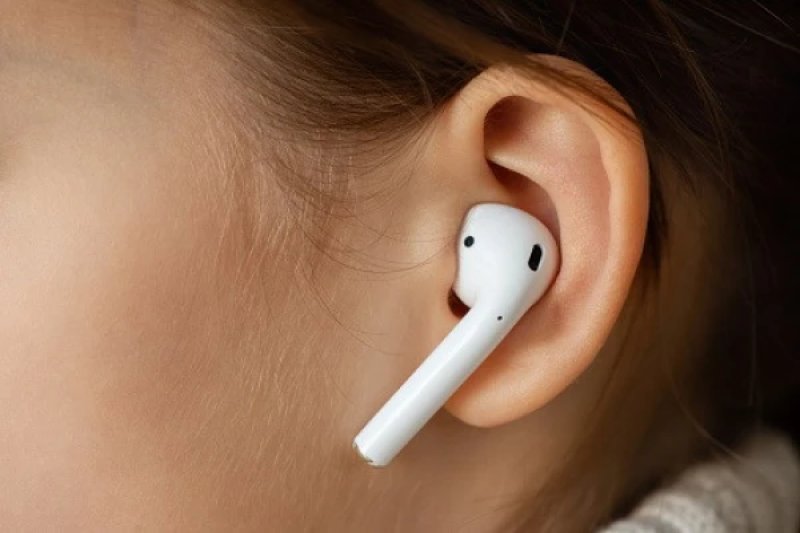
## What Is Dangerous About Too Loud Sound The main risk is associated with high volume. Prolonged exposure to loud sound can damage the tiny hair cells in the inner ear. Once damaged, they do not recover, so noise-induced hearing loss can become irreversible, [reports](https://bigskyaudiology.com/how-do-headphones-impact-the-health-of-our-ears/) bigskyaudiology. Modern headphones can produce sound levels of about 105–110 decibels at maximum settings. Prolonged exposure to sound above 85 decibels is already considered potentially dangerous. According to the World Health Organization, sound at 80 decibels is considered relatively safe when listened to for up to 40 hours a week, while at 90 decibels, the permissible time is reduced to about four hours. Young people are particularly vulnerable. Studies link regular use of headphones at high volumes with worsening hearing thresholds in teenagers and young adults. ## Headphones Can Increase the Risk of Infections The problem is not only the volume. Prolonged wearing of headphones can retain heat, sweat, and moisture around the ear, creating favorable conditions for bacteria to multiply. In-ear headphones are located directly at the ear canal, so with insufficient hygiene, they can transfer bacteria, irritate the skin, contribute to the buildup of earwax, and retain moisture. Full-size models do not cause infections by themselves, but when worn for too long, with dirty ear cushions, or in high humidity, they can also create an unfavorable environment around the ear. ## Can You Wear Headphones with Ear Inflammation If an infection has already occurred, specialists recommend avoiding in-ear and tightly fitting headphones as much as possible until recovery. They can increase discomfort, retain moisture, and further irritate the ear canal. Full-size models usually have less impact on it, but they should also be used sparingly and cleaned thoroughly. ## Is Noise Cancellation Dangerous The technology of active noise cancellation does not cause infections and is not considered harmful to the ears. Moreover, such headphones sometimes help protect hearing: in a noisy environment, a person does not have to increase the volume of the music to drown out surrounding sounds. The main thing is to maintain moderate volume and take breaks. ## Why Do Ears Hurt from Headphones Pain and discomfort can arise from excessive pressure, ill-fitting ear tips, a tight headband, or prolonged wearing. Other causes may include earwax buildup, skin irritation, increased humidity, jaw tension, or pre-existing ear inflammation. If unpleasant sensations occur regularly, it is worth trying a different model of headphones, reducing the time of use, and checking if the ear tips or cushions fit properly. ## How to Use Headphones More Safely Experts recommend keeping the volume at about 50–60% of the maximum and avoiding hours of continuous listening. It is helpful to take regular breaks, especially if headphones are used throughout the workday. In noisy places, it is better to choose models with good sound insulation or noise cancellation rather than simply increasing the volume. Hygiene is equally important. Ear tips and cushions should be cleaned regularly, allowed to dry completely, and, if possible, avoid using someone else's headphones. ## What Symptoms Should Not Be Ignored Constant ringing or noise in the ears, a feeling of muffled sound after using headphones, the need to gradually increase the volume, pain, itching, or redness of the ear can be reasons to check your hearing. It is also worth paying attention to a worsening ability to understand speech in noisy places and recurring infections. If such symptoms persist, it is advisable to consult a specialist and check your hearing. Headphones themselves are not dangerous. Risks arise primarily from excessively high volume, prolonged wearing, and poor hygiene. Moderate volume, regular breaks, and clean headphones significantly reduce the likelihood of hearing problems and ear health issues.
