

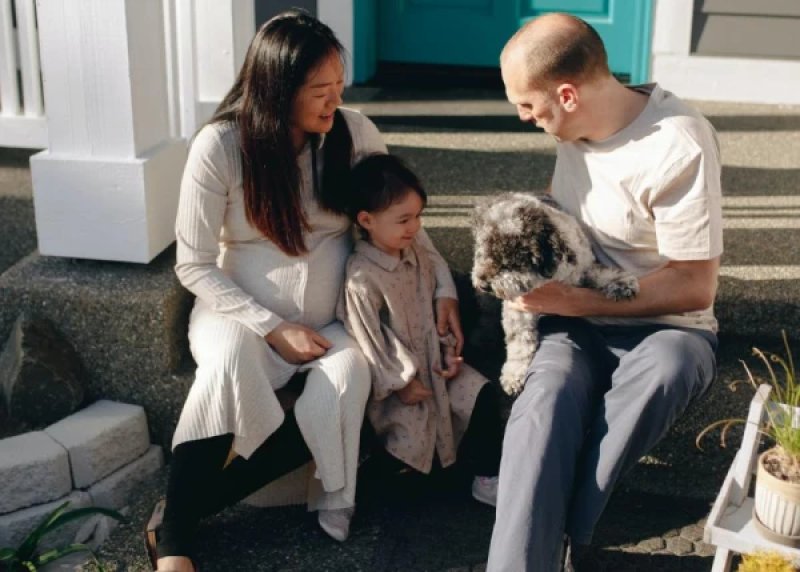
3 Reasons Why a Child Insistently Asks for a Dog Communication Difficulties Not all children grow up to be sociable and able to find common ground with those around them. Excessive shyness can be an innate character trait, and it can be difficult to overcome. A lack of a friend to communicate with may lead a child to seek a dog as a substitute. In this case, parents should be attentive, as the child may not be aware of the underlying issue. Consulting a child psychologist may be beneficial. The decision to get a dog or not should be made by the parents themselves. WARNING! It is possible that when the child improves their relationships with peers, the dog will become less of a priority. Nevertheless, it is worth considering that having a dog can make children more sociable and socially active. A pet can serve as a bridge between the child and the outside world, helping them not to withdraw into themselves. There will always be topics for conversation, as the dog happily wags its tail. “Living Toy” Children may want a dog to avoid feeling like an outsider among their friends. In this case, the animal may quickly become boring, and the dog will be perceived as a source of irritation, distracting from other activities. Girls often ask for a small dog, while boys prefer a larger one. Love for Dogs This is a normal interest that can last a lifetime. A child fascinated by dogs may know a lot about breeds, read books, and watch shows. If you notice a genuine passion in your child, it is worth considering the possibility of getting a dog. Important! A child's request for a dog may indicate their maturation and desire to care for someone. Refusing this may leave a negative mark on their character. An Alternative – A Quite Good Option Try to find out why the child prefers a dog over other pets, as it requires more care than, for example, a cat or a parrot. If the child does not change their mind, you can suggest an alternative – a virtual dog. This could be a large stuffed toy or a video game character. However, parents should responsibly choose the video game to avoid creating new problems. The game should promote kindness and care, not cruelty. Should You Get a Puppy If the Child Asks? Tests Can Help Determine To understand whether a dog is truly needed by the child, several tests can be conducted. 1. Decide on the breed of dog. You can visit exhibitions or watch programs about breeds and their characteristics. 2. Caring for a dog is very important. This information can be found on websites or in specialized literature. 3. Age. A child who is 14 years old can walk the dog by themselves. To check if they will do this, you can send them out with a leash three times a day in any weather. Important! Do not delegate dog walking to a child under 14, even if it is a small puppy. In an emergency situation, the child may panic, which can lead to negative consequences. The child should understand that caring for a pet includes not only playtime but also responsibilities such as cleaning and treating the dog. It will also need to be decided where to leave the dog if you go on vacation. Assess Your Capabilities No matter how responsible the child is, caring for a pet will also fall on the parents. Visits to the veterinarian and walking the dog are also the parents' responsibility. There should be enough time for walking, as it will not take just five minutes. The walk should be substantial; otherwise, the dog's unspent energy may lead to damaged furniture. If you do not have time for this, it is better to give up the idea of getting a dog. What Dog to Choose Adult Dog or Puppy If there are small children in the family, it is better to choose an adult dog, as a puppy requires a lot of attention. If you still want a puppy, do not take one that is less than 4 months old. Large or Small Some parents are concerned about large dogs around small children. In fact, toy breeds can be less patient and require careful handling. If you do not want a large dog, you can consider medium-sized breeds. Choosing a Dog Breed When choosing a breed, consider your requirements and capabilities. If there are small children in the family, it is better to choose a Labrador or a Poodle, as these breeds are considered the most sociable.
