

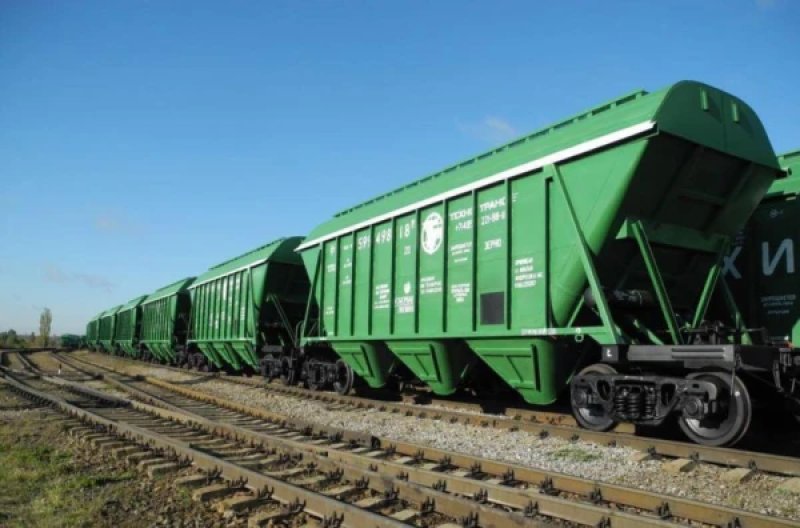
It is also planned to ensure the inspection of transit cargoes and to cooperate with representatives and laboratories from Ukraine to determine the origin of the grain. Kulbergs emphasized that Latvia aims to achieve a unified position with the other Baltic countries so that the region's infrastructure is not used for "Russian grain." He has already discussed this issue with the Prime Minister of Estonia and plans to negotiate with the head of the Lithuanian government. The Prime Minister noted that Russia seeks to maximize the export of its grain while simultaneously limiting Ukraine's ability to use the Black Sea export corridor. According to information provided by Ukraine, Russian grain may be mixed with grain exported from occupied territories of Ukraine. The coalition parties have agreed on measures to restrict the transit of Russian and Belarusian grain through Latvia, protect the interests of local farmers, and prevent the circulation of grain exported from occupied territories of Ukraine. Member of the "New Unity" party, Arvils Ašeradens, expressed support for the Prime Minister's proposals, emphasizing that Latvia should not be a transit country for Russian grain. Member of the National Alliance, Arturs Butans, reported that the party has prepared amendments to the law on agriculture and rural development to completely ban the transit of Russian grain through Latvian ports and infrastructure. He emphasized that the goal of raising the tariff is not to generate additional revenue but to make transit economically unviable. Minister of Economics Viktors Valainis (Union of Greens and Farmers) noted that when making decisions regarding grain, it is essential to prioritize the interests of Latvian farmers by ensuring their access to port and transport infrastructure. As reported, Russian grain exporters have begun redirecting supplies from the Black and Azov Seas to the Baltic Sea due to Ukraine's attacks on vessels and port infrastructure. In the previous export season (from July 2025 to June 2026), Russia exported 46.3 million tons of grain through the ports of the Black and Azov Seas, accounting for 90% of the total export volume. Only 1 million tons were exported through Russian ports in the Baltic Sea. However, sources from "Reuters" report that since the beginning of the new season until mid-August 2026, the volume of applications for transporting grain to Russian ports in the Baltic Sea has already reached 5 million tons. Additionally, Russian exporters are increasingly turning their attention to the ports of the Baltic States, primarily Latvia, and it is expected that the volume of shipments will sharply increase in September. Due to attacks by the Armed Forces of Ukraine, more than 80% of Russian grain export capacities have been destroyed. Experts' calculations show that in August, wheat exports from Russia amounted to only 1.9 million tons, the lowest figure in the last 16 years.
