

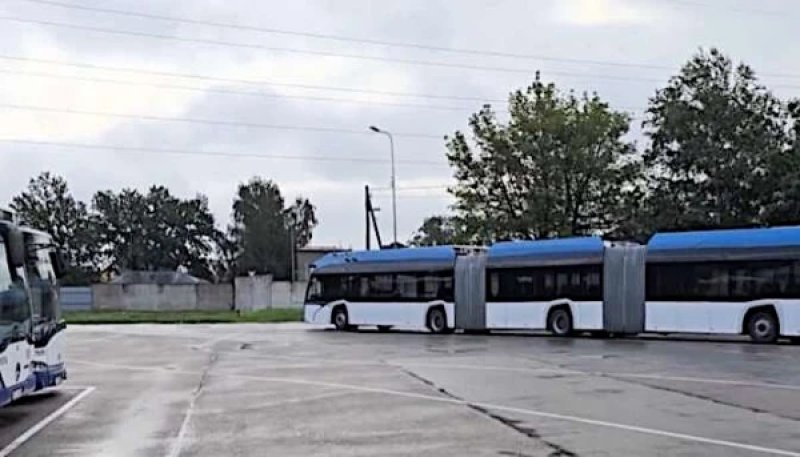
Testing has begun in Riga for the longest electric bus to ever hit the streets of the capital. The nearly 25-meter-long vehicle is expected to help determine whether the city's infrastructure is ready for more spacious public transport, reports [TV3 News](https://tv3.lv/zinas/latvija/satiksme/riga-teste-garaku-un-ietilpigpigaku-autobusu-tacu-bazas-vai-pilsetas-ielas-tam-ir-gatavas/). The new electric bus is more than six meters longer than the standard 18-meter buses and consists of three sections. It is designed to accommodate 183 passengers, and its range on a single charge reaches 260 kilometers. Rīgas satiksme explains that they are currently assessing not only the capacity of the new vehicle but also its ability to operate in real urban conditions. "We need to understand how well such a design fits our infrastructure: how the bus will stop at stops, use terminal stations, and be serviced at the depot," said Andris Lubans, head of the transport department at Rīgas satiksme. According to him, there are already several bus and trolleybus routes where such vehicles could operate without causing issues for road traffic. At the same time, the company is preparing for a new procurement of public transport. Currently, it involves the acquisition of 18-meter buses, but they will feature a more convenient cabin layout: doors will no longer open inwards, which will increase space for passengers, strollers, and people with limited mobility. Tests have shown that operating such transport is more challenging. To drive the 25-meter electric bus, a driver requires categories D and E. "It's very good that we can transport more people with one vehicle. But such a bus requires greater concentration because it is significantly longer than usual," noted driver Kristaps. So far, the tests do not mean that such electric buses will soon appear on Riga's routes. After the tests are completed, Rīgas satiksme will analyze how suitable the new transport is for city streets, stops, and depots. If the results are successful, Riga could increase the capacity of public transport in the future without increasing the number of trips.
