

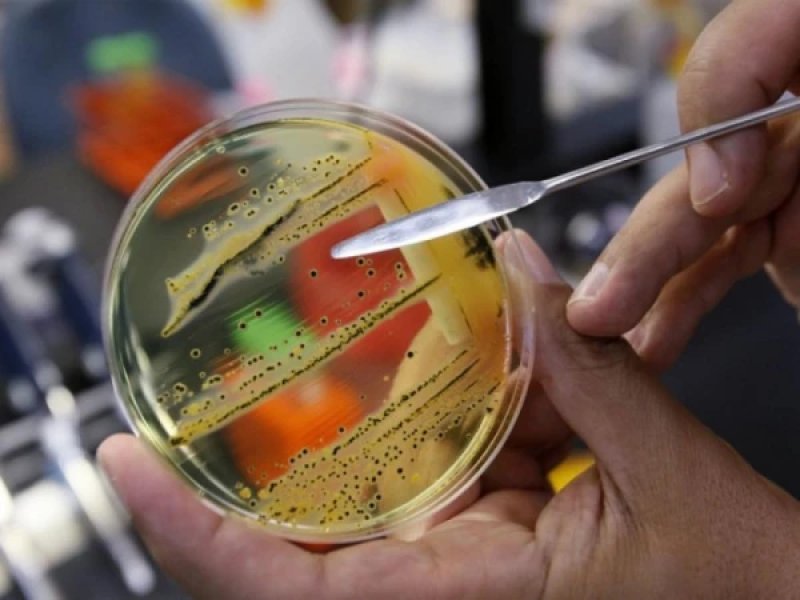
Since 2020, the number of salmonellosis cases in Europe has been steadily rising — one of the most common foodborne illnesses. According to the European Centre for Disease Prevention and Control (ECDC), the infection is already costing the European economy nearly 3 billion euros a year, writes [nra.lv](https://nra.lv/pasaule/529617-salmonella-draud-visai-eiropai-vai-latvija-ir-drosiba.htm). The sources of infection can be familiar products — poultry, eggs, dairy products, pasta, and even pumpkin seeds. The increase in outbreaks is prompting European health authorities to strengthen food safety controls. The highest number of cases in 2024 has been recorded in Germany (12,316), France (12,308), and Spain (11,248). At the same time, Latvia remains one of the most favorable countries in Europe. According to data for 2023, the republic ranked second to last in terms of incidence among 30 EU and European Economic Area countries. However, experts warn that this is not a reason to let down one's guard. International trade in food products and active travel between countries allow the infection to spread quickly across borders. Recent outbreaks of the disease testify to this. In August, over 300 people in Belgium fell ill after consuming eggs — the largest salmonellosis outbreak in the country's history. According to the European Food Safety Authority (EFSA), more than 91,000 cases of salmonellosis are reported annually in EU countries. To reduce the risk of infection, specialists recommend following simple rules: wash hands thoroughly, cook meat and eggs well, store food properly, and not leave perishable food at room temperature for long periods. Although Latvia currently remains among the countries with the lowest incidence rates, adhering to basic food hygiene rules remains the best protection against salmonellosis.
